
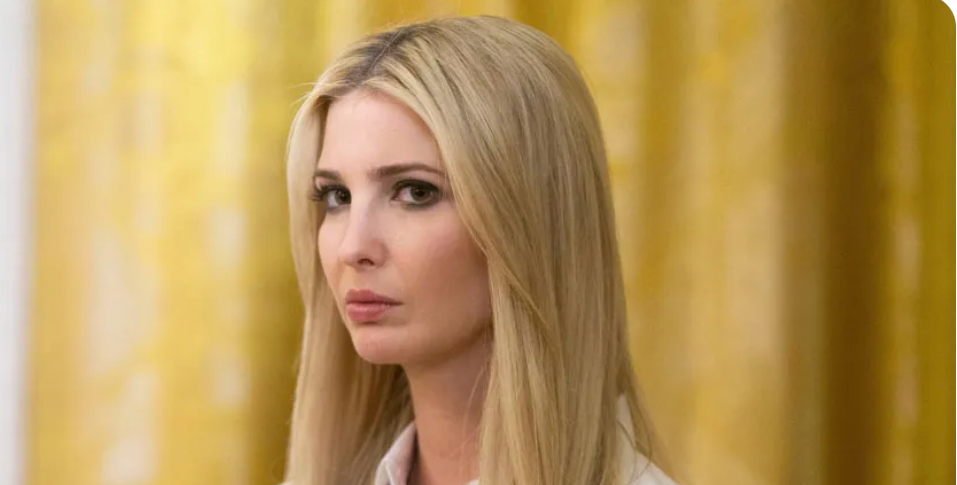
Ivanka Trump is one of the most recognizable figures to emerge from the intersection of business, fashion, celebrity, and American politics. Her career has moved through several distinct worlds: luxury real estate, fashion and lifestyle branding, television, entrepreneurship, philanthropy, and government.
Born into the family of businessman Donald Trump, Ivanka entered the public spotlight early. But over the years, she developed a career of her own, first as a business executive and fashion entrepreneur and later as a senior adviser in the White House during her father’s first presidential administration.
Her story is therefore not simply a story about wealth or politics. It is also a story about personal branding, business succession, public scrutiny, and the complicated transition from the private sector into government.
Growing Up in the Trump Business World
Ivanka Marie Trump was born on October 30, 1981, in New York City. She is the daughter of Donald Trump and Ivana Trump.
Growing up in Manhattan, she was exposed to the Trump family’s real-estate business from an early age. Luxury properties, construction projects, negotiations, branding, and media attention were part of her everyday environment.
But being born into a famous business family also meant growing up under public scrutiny.
Ivanka attended the Chapin School in New York before transferring to Choate Rosemary Hall in Connecticut. She later attended Georgetown University and transferred to the University of Pennsylvania’s Wharton School, graduating with a degree in economics.
Her education would later become useful as she moved into the family business.
Entering Real Estate
After university, Ivanka joined the Trump Organization.
She became involved in real-estate development, acquisitions, and property management, eventually becoming an executive vice president of development and acquisitions.
During this period, she participated in projects involving hotels, residential developments, and luxury properties.
Her role gave her practical experience in areas such as negotiations, financing, development, marketing, and branding.
She also became one of the most visible members of the Trump Organization, frequently appearing alongside her father in the media.
Becoming a Television Personality
Ivanka’s profile expanded beyond business.
She appeared on television and became particularly well known through the reality television program The Apprentice, where Donald Trump served as host.
The program introduced her to a much larger international audience.
Her television exposure reinforced a lesson that would become important throughout her career: personal visibility can become a significant business asset.
Ivanka began developing an identity separate from the Trump Organization, particularly through fashion and lifestyle ventures.
Building the Ivanka Trump Brand
In the late 2000s and 2010s, Ivanka expanded into fashion and consumer products.
The Ivanka Trump brand included jewelry, footwear, clothing, accessories, and other lifestyle products.
The strategy was relatively straightforward: combine a recognizable name with products targeted toward professional women and consumers interested in contemporary fashion.
The brand became commercially significant, although it also became increasingly intertwined with the political prominence of the Trump family.
As Donald Trump entered presidential politics, questions about the relationship between the family’s businesses and politics became increasingly prominent.
The 2016 Presidential Campaign
Donald Trump’s 2016 presidential campaign dramatically changed Ivanka’s public role.
She became one of his most visible family members during the campaign and spoke publicly about issues including women in the workplace, childcare, and economic opportunity.
Her involvement attracted both supporters and critics.
Supporters pointed to her focus on women’s economic participation and family-related policies. Critics questioned the role of family members in a presidential campaign and the potential overlap between political visibility and private business interests.
These debates continued after the election.
Entering the White House
After Donald Trump won the 2016 election, Ivanka Trump moved into an official government role.
She served as a senior adviser to the President during his first administration from 2017 to 2021.
Unlike a cabinet secretary, she did not lead a federal department. Her portfolio included policy discussions and initiatives involving economic opportunity, workforce issues, entrepreneurship, and women’s economic empowerment.
One of the most significant initiatives associated with her was the Women’s Global Development and Prosperity Initiative, commonly known as W-GDP.
The initiative was established in 2019 as a U.S. government-wide effort focused on women’s economic empowerment in developing countries. Its stated goals included expanding women’s participation in the workforce, entrepreneurship, access to capital, and economic opportunities.
Women’s Economic Empowerment
W-GDP became a major part of Ivanka Trump’s work in government.
The initiative initially set a goal of reaching 50 million women in developing countries by 2025.
Programs connected to the initiative included workforce training, entrepreneurship programs, access to financing, and efforts addressing legal and regulatory barriers affecting women’s economic participation.
One example was the Academy for Women Entrepreneurs, which expanded entrepreneurship education and support for women in multiple countries.
Ivanka also participated in international travel and meetings connected with these programs, including engagements in Africa and Latin America.
The Challenge of Politics and Business
One of the most complicated aspects of Ivanka Trump’s story was the overlap between her public position and her family’s private business interests.
When she entered government, she stepped away from day-to-day management of the Trump Organization, although questions about potential conflicts of interest and the family’s business interests remained subjects of public discussion.
Her fashion brand also faced controversy during her father’s presidency.
Some retailers dropped or reduced sales of products associated with the brand, while others continued carrying them. The episode demonstrated how closely personal brands can become connected to political identities when business, celebrity, and government overlap.
Leaving Government
Donald Trump’s first presidential term ended in January 2021.
Ivanka subsequently stepped away from official government service and largely moved away from frontline political activity.
She returned her attention toward family, private life, philanthropy, and other personal interests.
Her post-White House profile has been considerably quieter than during the years when she worked in Washington.
A Different Kind of Entrepreneurial Journey
Ivanka Trump’s career illustrates an unusual path.
She did not build a technology startup from nothing or create a traditional independent corporation. Instead, her career developed around three powerful assets: education, access to an established business network, and personal branding.
Her experience demonstrates how modern entrepreneurship can involve much more than founding a company.
It can involve:
- Building a recognizable personal brand
- Developing consumer products
- Leveraging media exposure
- Managing relationships and partnerships
- Expanding into new industries
- Navigating public scrutiny
Lessons from Ivanka Trump’s Career
There are several business lessons that can be drawn from her career.
First, personal branding can become an economic asset.
The Ivanka Trump name became a commercial brand in its own right, separate from individual products.
Second, visibility creates both opportunities and risks.
Her media profile helped build recognition but also meant that her businesses were affected by political developments.
Third, family businesses can provide significant opportunities but also unique challenges.
Working within a famous family enterprise can accelerate access to capital, networks, and opportunities while simultaneously creating questions about independence and merit.
Fourth, moving between business and public service requires careful management of conflicts and public expectations.
Ivanka’s White House career placed her at the intersection of government policy, family relationships, private business, and intense public scrutiny.
Conclusion
Ivanka Trump’s story is ultimately a story of transformation.
She began in the world of New York real estate, developed a career in the Trump Organization, built a fashion and lifestyle brand, became a television personality, and eventually entered the White House as a senior adviser.
Her government career brought her international visibility through initiatives focused particularly on women’s economic empowerment, while also placing her at the center of debates about family influence, business interests, and the role of presidential relatives in government.
Whatever perspective one takes on her public career, her journey provides a fascinating case study in the relationship between business, personal branding, media, and political power.
Ivanka Trump’s story demonstrates that building a public identity can open doors across multiple industries—but once business, celebrity, and politics intersect, every decision can carry consequences far beyond the original business itself.