

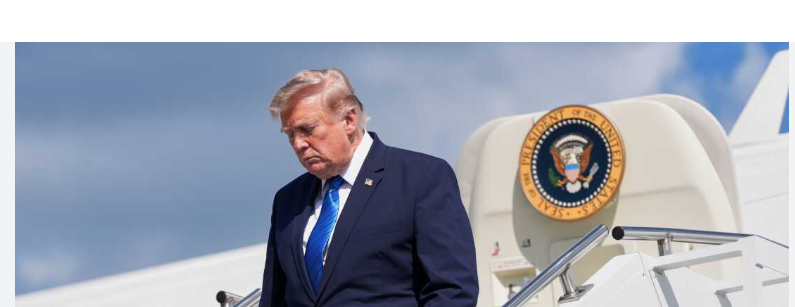
Few public figures have shaped modern politics, business, and media as profoundly as Donald J. Trump. Over several decades, Trump has built a career that spans real estate development, branding, television, and politics. Admired by supporters for his business-focused approach and criticized by opponents for his unconventional style, he remains one of the most influential and debated leaders in contemporary history.
From developing luxury skyscrapers in New York City to hosting one of television’s most popular business reality shows and later serving two non-consecutive terms as President of the United States, Trump’s journey has been marked by ambition, controversy, resilience, and an enduring ability to command public attention.
His story is one of constant reinvention, illustrating how business, media, and politics have increasingly intersected in the 21st century.
Early Life and Education
Donald John Trump was born on June 14, 1946, in Queens, New York City, to real estate developer Fred Trump and Mary Anne MacLeod Trump.
Growing up in a family involved in property development, Trump was introduced to the real estate business at an early age. His father built middle-income housing developments throughout New York City’s boroughs, providing Donald with firsthand exposure to construction and property management.
He attended the New York Military Academy, where he developed discipline and leadership skills, before studying at Fordham University. He later transferred to the Wharton School, graduating in 1968 with a degree in economics.
Entering the Real Estate Business
After completing his education, Trump joined the family business, which later became known as The Trump Organization.
Unlike his father, whose projects focused mainly on outer-borough housing, Trump sought high-profile developments in Manhattan.
During the 1970s and 1980s, he became known for ambitious projects that transformed aging properties into luxury hotels, office towers, and residential buildings.
Among his most recognized developments was Trump Tower, which became both his business headquarters and a symbol of his personal brand.
His approach emphasized luxury, visibility, and strong branding, making the Trump name internationally recognizable.
Building a Global Brand
As his business expanded, Trump diversified beyond real estate.
His brand grew to include:
- Hotels
- Golf courses
- Residential developments
- Licensing agreements
- Books
- Consumer products
Rather than limiting himself to property ownership, Trump increasingly focused on branding and licensing, allowing the Trump name to appear on projects around the world.
This strategy transformed him from a businessman into a global public figure.
Becoming a Television Personality
In 2004, Trump entered a new phase of his career by hosting the reality television series The Apprentice.
The program challenged contestants to complete business-related tasks while competing for a position within his organization.
Trump’s catchphrase—”You’re fired!”—became widely recognized.
The show’s popularity introduced him to audiences far beyond the business world and strengthened his public image as a decisive executive.
Television significantly expanded his influence and prepared him for a future role in politics.
Entering Politics
Although Trump had publicly discussed political issues for many years, he officially announced his candidacy for President of the United States in 2015.
Running as the Republican nominee, he campaigned on themes including economic growth, border security, tax reform, deregulation, and reshaping U.S. trade policy.
His unconventional campaign style attracted extraordinary media attention.
In the 2016 presidential election, Trump defeated Hillary Clinton to become the 45th President of the United States.
His victory surprised many political observers and reshaped American politics.
First Presidential Term
Trump served as president from 2017 to 2021.
During his first administration, his policies included:
- Corporate tax reform.
- Deregulation across several industries.
- Criminal justice reform through the First Step Act.
- Renegotiation of trade agreements, including the USMCA.
- Appointment of three U.S. Supreme Court justices.
- Middle East diplomatic agreements known as the Abraham Accords.
His presidency also faced significant challenges, including political polarization, impeachment proceedings, and the COVID-19 pandemic.
Supporters praised his economic agenda before the pandemic and his focus on reducing regulations, while critics objected to aspects of his leadership style and policy decisions.
Returning to the White House
After leaving office in 2021, Trump remained an influential figure in American politics.
He announced another presidential campaign and secured the Republican nomination.
In the 2024 presidential election, he defeated Kamala Harris, becoming only the second U.S. president, after Grover Cleveland, to win non-consecutive terms.
His return to the White House marked one of the most remarkable political comebacks in American history.
Business, Media, and Influence
Even while serving in public office, Trump’s influence has extended far beyond politics.
His books, interviews, rallies, speeches, and media appearances have kept him at the center of public discussion for decades.
Few modern leaders have generated as much global attention.
His supporters view him as a disruptive reformer willing to challenge established institutions.
His critics argue that his rhetoric and leadership style have deepened political divisions.
Regardless of perspective, his impact on politics and public discourse is undeniable.
Lessons From Donald Trump’s Journey
Trump’s career offers several lessons:
- Build a recognizable personal brand.
- Think boldly and pursue ambitious goals.
- Adapt to changing industries and opportunities.
- Communication can shape public perception.
- Leadership often attracts both support and criticism.
- Resilience is essential in business and politics.
His career demonstrates how persistence and public visibility can influence multiple fields.
A Lasting Legacy
Donald J. Trump’s legacy continues to evolve.
As a businessman, he helped popularize personal branding in real estate.
As a television personality, he became one of America’s most recognizable public figures.
As a politician, he reshaped the Republican Party and influenced debates on trade, immigration, foreign policy, and the role of government.
His presidency, business ventures, and media presence will continue to be studied and debated for years to come.
Conclusion
The story of Donald J. Trump is one of ambition, reinvention, and extraordinary public influence.
From building luxury real estate projects in New York City to becoming a television icon and later serving two non-consecutive terms as President of the United States, Trump has left a lasting mark on business, politics, and global media.
Whether viewed as a transformative leader or a polarizing figure, his journey reflects the power of determination, branding, and resilience. His life remains one of the most closely followed stories in modern history, demonstrating how one individual can shape conversations far beyond the industries in which they began.