
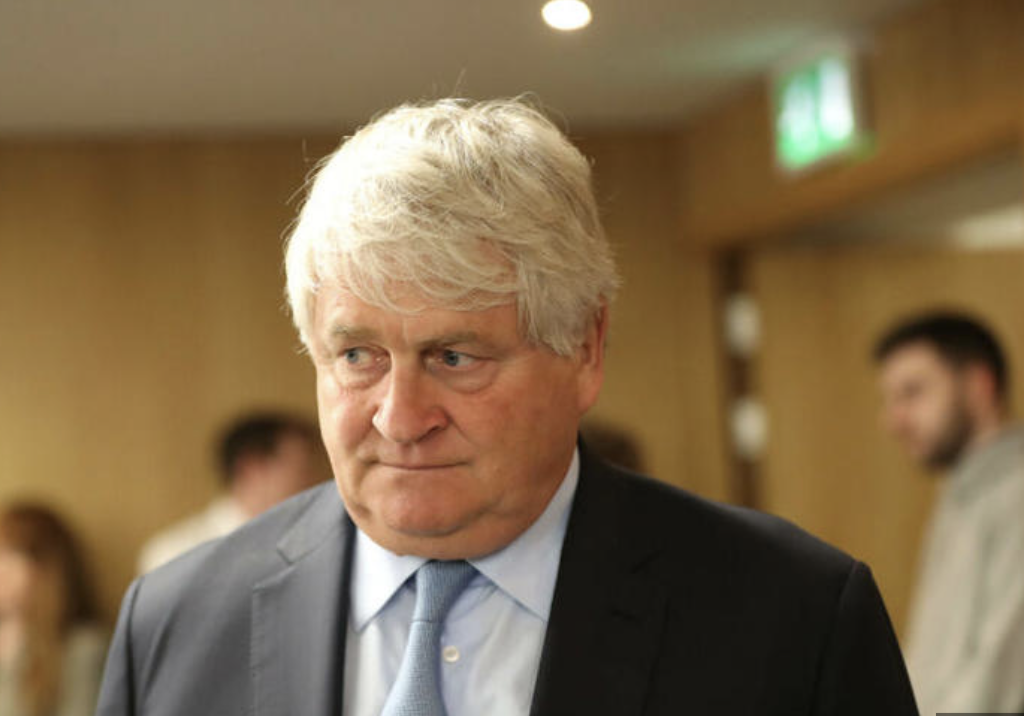
The story of Denis O’Brien is one of the most debated and controversial business narratives in Ireland. From building a global telecommunications empire to becoming one of the most powerful figures in Irish media and business, O’Brien’s journey reflects ambition, strategic execution, and ongoing scrutiny. For those searching for a Denis O’Brien story, Irish billionaire case study, or media and telecom controversy Ireland, this narrative offers deep insights into how wealth, influence, and public perception intersect.
Denis O’Brien was born in 1958 in County Cork, Ireland. Unlike many global billionaires, his early life was relatively grounded, and his path to success was shaped by education and entrepreneurial thinking. He studied at University College Dublin, where he developed an interest in business and communications.
His early career involved working in media and communications, which gave him exposure to industries that would later define his success. However, his real breakthrough came in the telecommunications sector during the 1990s.
The turning point in the Denis O’Brien story came when he secured a license to operate Ireland’s second mobile phone network, Esat Digifone. At the time, the telecommunications industry in Ireland was opening up to competition, creating opportunities for new entrants.
Winning the license was a critical moment, but it also became one of the most controversial aspects of his career. Questions were raised about the process and decisions involved in awarding the license. Over time, this issue led to investigations and public debate, shaping perceptions of O’Brien’s rise.
Despite the controversy, Esat Digifone became a major success. The company grew rapidly, benefiting from increasing demand for mobile communication. O’Brien later sold the business to British Telecom for a significant profit, establishing his financial foundation and reputation as a major entrepreneur.
Following this success, O’Brien expanded internationally. He founded Digicel, a telecommunications company focused on emerging markets, particularly in the Caribbean, Central America, and parts of the Pacific.
Digicel became a major player in these regions, providing mobile services and infrastructure where connectivity was still developing. The company’s growth demonstrated O’Brien’s ability to identify opportunities in underserved markets and scale operations effectively.
However, as his business empire expanded, so did scrutiny.
One of the key areas of controversy in the Denis O’Brien story is his influence in media. Through investments in radio and other media platforms, he became one of the most significant media owners in Ireland. This concentration of ownership led to debates about media independence, influence, and the balance of power.
Critics argued that such influence could affect public discourse and journalism. Supporters, however, viewed his investments as a way to strengthen the media industry and maintain competitiveness in a changing landscape.
Another area of debate has been his involvement in legal and political matters. Over the years, O’Brien has been associated with various legal cases and public disputes, often related to business dealings and media coverage. These events have contributed to his reputation as both a powerful and controversial figure.
Despite these challenges, O’Brien has also been active in philanthropy. He has supported initiatives in education, disaster relief, and social development, particularly in regions where Digicel operates. His contributions have had a measurable impact on communities, adding another dimension to his public image.
From a strategic perspective, Denis O’Brien’s success can be attributed to several key factors. First, his ability to enter markets at the right time allowed him to capitalize on industry transitions. Second, his focus on emerging markets provided growth opportunities that were less accessible to competitors. Third, his willingness to take risks enabled rapid expansion and scaling.
However, his story also highlights the complexities of operating at a high level of influence. As businesses grow, they attract attention not only for their success but also for their impact on society. Managing this balance is one of the key challenges for modern entrepreneurs.
The Denis O’Brien story is not just about building wealth. It is about navigating power, influence, and public perception in a highly interconnected world. It reflects how business leaders can shape industries while also being shaped by the environments in which they operate.
For entrepreneurs, his journey offers lessons in opportunity recognition, strategic expansion, and resilience. For policymakers and analysts, it raises important questions about regulation, competition, and media ownership.
Today, Denis O’Brien remains one of Ireland’s most influential business figures. His companies continue to operate globally, and his role in shaping telecommunications and media industries is significant.
In conclusion, the Denis O’Brien story provides a comprehensive case study of ambition, growth, and controversy. For those exploring Irish billionaire stories, telecom industry leaders, or media influence in business, this narrative offers valuable insights into the realities of modern entrepreneurship.
It ultimately raises a critical question:
When success brings influence across industries,
how should power be balanced with responsibility?