
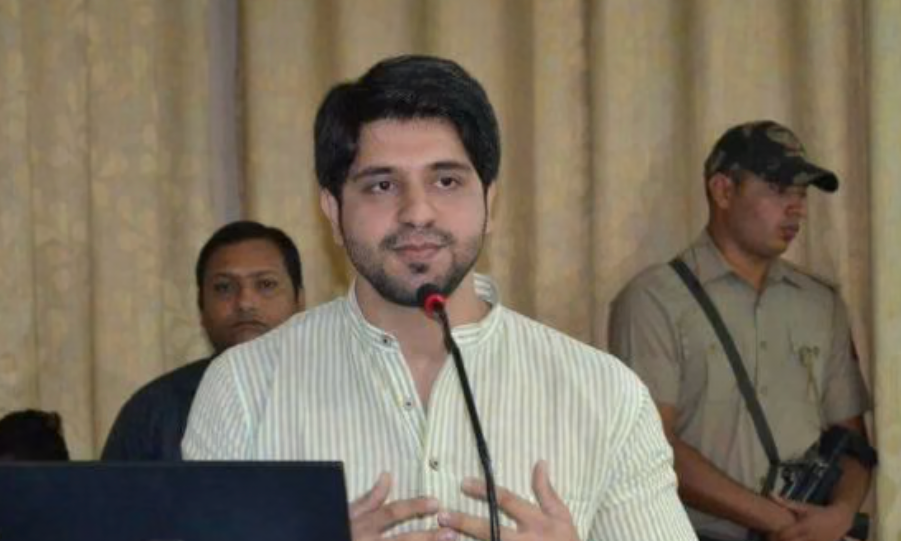
On 30 July 2026, Shehzad Poonawalla sent his party a resignation letter. The BJP refused it and asked him to reconsider. Two and a half weeks later he sent another, calling the decision final. By the end of September he was on a Prime Video reality show.
Set aside what you think of his politics, and the sequence is one of the clearest examples yet of a career shift that is becoming routine: the move from institutional platform to personal platform.
Pune, law, and the Congress years
Poonawalla comes from a well-off Pune family with long-standing business and political connections. He trained as a lawyer and entered politics young, interning with the Congress media research team in Delhi and joining the All India Congress Committee as a volunteer in 2008.
He spent close to a decade inside that party. In 2017 he broke with it publicly, criticising the process by which Congress elected its president. The break was costly in a way most career changes are not: his brother, the political analyst Tehseen Poonawalla, publicly distanced himself, and Congress leaders rejected his allegations outright.
Becoming a face
He joined the BJP and became one of its national spokespeople, and over the following years turned into one of the party’s most recognisable communicators on television and online. That work is its own discipline: nightly panel debates, instant lines on breaking stories, a personal brand that is simultaneously an asset and a liability because it belongs partly to the organisation.
It is also a form of audience-building. A spokesperson’s recognition is earned in public, on someone else’s platform, under someone else’s message discipline.
The exit
On 31 July 2026 he removed all reference to the BJP from his X profile, which set off days of speculation. The resignation letter he then made public cited pressing financial and personal circumstances, referred to events involving unnamed individuals, and said he intended to move into the private sector. He was 38. In interviews he said he had been weighing the decision since 2024.
He was careful to leave on good terms, thanking the party leadership and saying he would continue to support its work where he could. That matters commercially as much as politically: bridges left standing are future options.
From the podium to the screen
His next move became clear in September. He joined the second season of Rise and Fall, a Prime Video reality show hosted by the former cricketer Virender Sehwag, which premiered on 26 September 2026. The cast includes the actor Swara Bhaskar, whose politics are conspicuously opposed to his own, and the influencer Raj Grover.
For anyone tracking India’s attention economy, the casting is the story. A reality format is buying exactly what a decade of televised debate produced: instant recognition, a ready-made point of view, and an audience that will show up to watch him argue with someone.
What this says about careers now
Recognition is transferable; the platform is not. Poonawalla’s value to a streaming platform is the public profile built through politics, and it moved with him when the party role did not.
Institutional roles have a ceiling that personal brands do not. A national spokesperson is highly visible and, by design, not independently monetisable. Financial pressure was among his stated reasons for leaving, which is an unusually direct admission about a structural problem in public life.
The traffic now runs both ways. Creators have been entering politics for years. This is the reverse: a political professional moving into entertainment and treating visibility itself as the career asset.
Whether it works is an open question. Reality television is unforgiving of people whose skill is the prepared argument. But the underlying calculation, that an audience built inside an institution can be carried out of it, is one a great many professionals will recognise.