
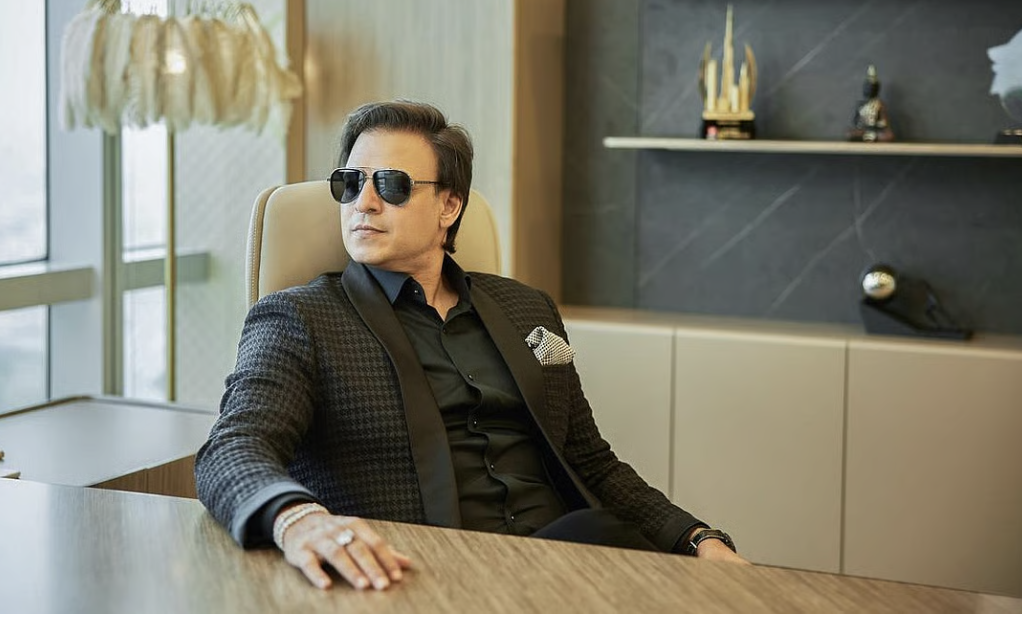
Vivek Oberoi’s journey is a compelling example of reinvention in a highly volatile industry. While he first became known as a Bollywood actor, his evolution into an entrepreneur, investor, and philanthropist reveals a deeper layer of ambition and long-term thinking.
Born into a film family, Vivek had early exposure to the entertainment world. His father, Suresh Oberoi, was a respected actor, and this connection provided Vivek with access — but not guaranteed success. When Vivek made his acting debut in the early 2000s, he was widely praised for his performances and was considered one of the most promising newcomers in Bollywood.
However, the film industry is unpredictable. Success depends on scripts, public perception, timing, and sometimes factors beyond one’s control. Vivek’s career experienced both highs and setbacks. While he delivered memorable performances, he also faced periods where film opportunities slowed down.
It was during these fluctuations that Vivek began thinking beyond cinema.
He recognized a crucial truth that many entertainers learn too late:
Income from fame is temporary. Wealth from ownership is lasting.
Instead of viewing acting as his only identity, he started seeing it as a launchpad — a platform that could fund long-term asset creation.
This mindset marked the beginning of his entrepreneurial journey.
The Turning Point
The turning point in Vivek Oberoi’s life came when he consciously decided not to depend entirely on film projects for financial security.
He began exploring business opportunities across sectors such as real estate, education, and technology. One of his most notable ventures involved affordable housing projects in India. Recognizing the country’s growing middle class and the demand for accessible housing, he aligned himself with large-scale real estate initiatives aimed at bridging the affordability gap.
Unlike speculative luxury developments, affordable housing focused on scale and social impact. This aligned with his belief that business should combine profitability with purpose.
Simultaneously, Vivek started investing in startups and technology-driven companies. As India’s digital economy accelerated, he saw opportunities in emerging sectors such as fintech, education technology, and mobility solutions.
Rather than simply endorsing brands as a celebrity, he began taking equity positions — shifting from brand ambassador to stakeholder.
This transition from earning per project to building equity was the defining shift in his career.
The Strategy
Vivek Oberoi’s entrepreneurial success rests on five strategic pillars:
1. Diversification Beyond Entertainment
Instead of relying solely on acting income, he diversified into real estate development, startup investments, and business partnerships. Diversification reduced financial risk associated with the entertainment industry’s unpredictability.
2. Leveraging Personal Brand
As a well-known public figure, Vivek used his visibility strategically. His brand recognition opened doors for partnerships, investor meetings, and large-scale project collaborations. However, he ensured that his involvement extended beyond marketing — he positioned himself as an active business participant.
3. Equity Over Endorsement
Rather than accepting only fixed endorsement fees, he pursued ownership stakes in ventures. Equity participation allowed him to benefit from long-term growth rather than short-term payments.
4. Impact-Oriented Ventures
Many of his projects aligned with social development themes such as affordable housing and education. This strengthened his reputation and differentiated him from celebrities pursuing purely commercial ventures.
5. Continuous Reinvention
Vivek did not attempt to detach from acting completely. Instead, he balanced creative work with business pursuits. This dual identity provided financial flexibility and sustained public visibility.
The Result
Over time, Vivek Oberoi built a diversified portfolio that extended far beyond film earnings. His involvement in real estate projects, particularly affordable housing initiatives, demonstrated scalability. His startup investments connected him to India’s rapidly growing entrepreneurial ecosystem.
He successfully transitioned from being known only as a Bollywood actor to being recognized as an entrepreneur and investor.
Financially, diversification provided stability. Reputationally, business ventures enhanced his credibility as a serious professional beyond cinema.
More importantly, his journey reflects a broader lesson for professionals in high-visibility industries:
Fame creates opportunity.
Ownership creates wealth.
By converting visibility into structured business investments, Vivek ensured that his success was not dependent on box-office numbers alone.