
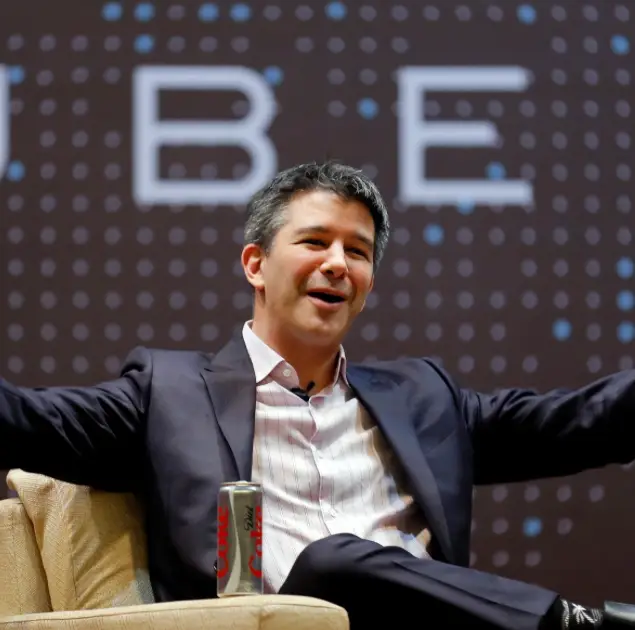
Travis Kalanick was a serial entrepreneur who had already failed twice. His file-sharing company, Scour, went bankrupt after being sued by the entertainment industry for $250 billion. His second startup, Red Swoosh, struggled for years before selling for a modest sum. By 2008, Kalanick was bruised but not broken. In Paris, he and Garrett Camp couldn’t get a taxi on a snowy night and thought: what if you could request a ride from your phone? Taxi monopolies controlled every major city, regulations made innovation nearly impossible, and the idea of unlicensed drivers seemed illegal everywhere.
The Turning Point
UberCab launched in San Francisco in 2010 with just a handful of black cars. The breakthrough came when they realized the regulatory approach was wrong. Instead of asking permission, they launched and dealt with consequences later. This ‘ask forgiveness, not permission’ strategy allowed rapid expansion. The second turning point was creating UberX in 2012—allowing anyone with a car to become a driver. This democratized the platform, flooded cities with supply, and made rides affordable for everyone. Suddenly, Uber wasn’t just for executives—it was for everyone.
The Strategy
Kalanick’s strategy was aggressive expansion at all costs. He used surge pricing to balance supply and demand dynamically. He spent hundreds of millions on driver incentives to flood markets with cars. He hired armies of lobbyists to fight taxi unions and outdated regulations in every city. He gamified driver earnings and rider promotions to create viral growth loops. He expanded to over 600 cities in 6 years—faster than any company in history. The strategy was controversial and often ruthless, but it created an unassailable global network before competitors could respond.
The Results
Uber went public in 2019 at a valuation of $82 billion. The company now operates in over 10,000 cities across 70+ countries, completing over 7 billion trips annually. Uber revolutionized urban transportation, spawning an entire gig economy and forcing cities to rethink taxi regulations. While Kalanick’s tenure ended controversially in 2017, his impact is undeniable—he built one of the fastest-growing companies in history and proved that even heavily regulated industries could be disrupted with enough determination.