
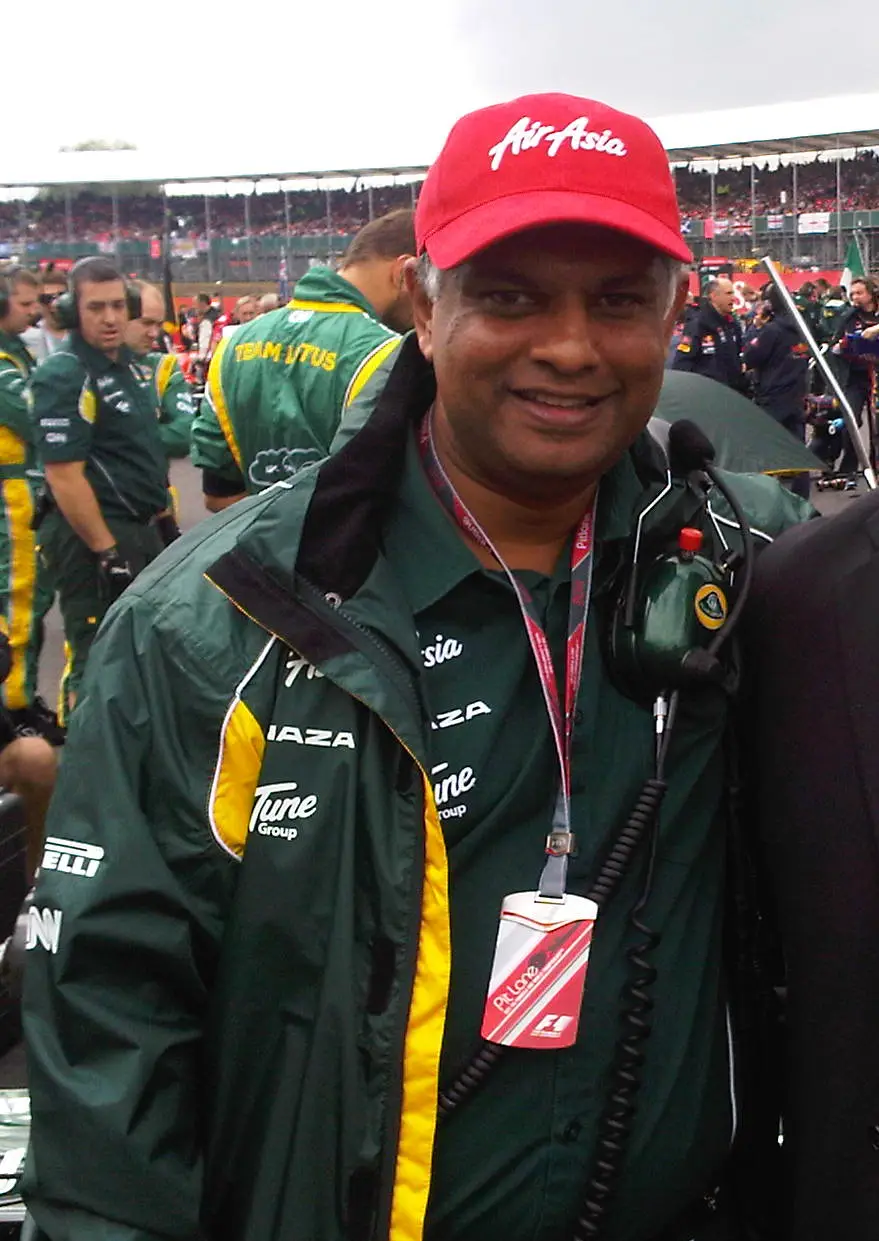
In 2001, Tony Fernandes was working as a music executive in London when he decided to return to Malaysia and buy an airline. Not just any airline—a failing government-owned carrier called AirAsia that had $11 million in debt and only two aging planes. Friends thought he was insane. Malaysia’s aviation market was dominated by the national carrier, and budget airlines were unproven in Asia. Fernandes had zero airline experience and was buying a company that lost money every single day.
The Turning Point
Fernandes bought AirAsia for one Malaysian ringgit (about 26 US cents) and assumed its massive debt. His vision was simple: make flying affordable for Southeast Asia’s masses who had never flown before. He studied Southwest Airlines and Ryanair, adapting their low-cost model to Asia. Within a year, AirAsia turned profitable. The breakthrough came when he realized that millions of Asians would fly if tickets were cheap enough—he wasn’t stealing customers from competitors, he was creating an entirely new market.
The Strategy
Fernandes ruthlessly cut costs: no free meals, no assigned seating, online booking only, and high aircraft utilization with quick turnarounds. He bought hundreds of fuel-efficient Airbus A320s in bulk, negotiating massive discounts. He turned planes into flying billboards, selling advertising space. He created ancillary revenue streams—baggage fees, seat selection, in-flight sales. Most importantly, he built a brand around ‘Now Everyone Can Fly,’ democratizing air travel across Southeast Asia. His infectious personality and unconventional style made AirAsia a beloved brand.
The Results
AirAsia became the world’s best low-cost airline, winning Skytrax’s award for 15 consecutive years. The company now operates over 200 aircraft across Southeast Asia, serving 165 destinations and carrying over 60 million passengers annually. AirAsia Group is valued in the billions, and Fernandes became one of Malaysia’s most successful entrepreneurs. He didn’t just build an airline—he transformed how hundreds of millions of people travel, making destinations accessible that were previously out of reach.