
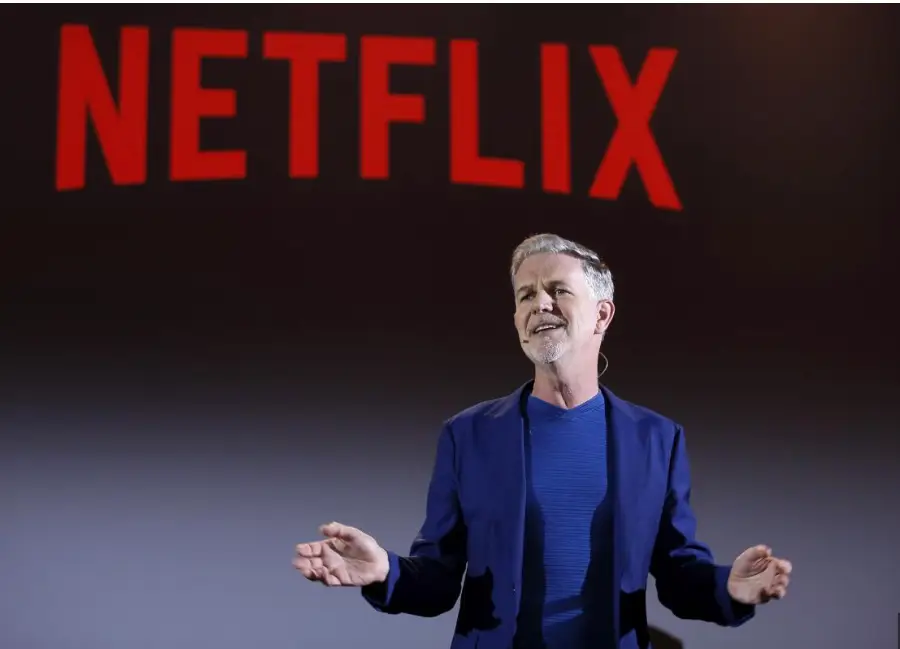
In 1997, Reed Hastings got hit with a $40 late fee from Blockbuster for returning Apollo 13 six weeks late. Embarrassed and frustrated, he had an idea: what if movie rentals worked like a gym membership—you pay a flat monthly fee and never worry about late fees? The problem was that the entire video rental industry was built on late fees. Blockbuster made $800 million annually from them. Hastings had to convince people to pay for a service they didn’t understand, ship fragile DVDs through unreliable mail, and compete against a giant with 9,000 stores and complete market dominance.
The Turning Point
Netflix launched in 1998 as a DVD-by-mail service. For years, it bled money. The real breakthrough came in 1999 when Hastings introduced the subscription model—unlimited rentals for a flat monthly fee with no due dates or late fees. Customers loved it. By 2002, Netflix went public. Then came the defining moment: in 2007, Hastings bet the entire company on streaming. DVDs were still profitable, but he saw the future. He pivoted Netflix from mail-order to internet streaming before competitors understood what was happening. In 2013, he made another audacious bet—creating original content with House of Cards, spending $100 million on a show with no pilot.
The Strategy
Hastings built Netflix on three pillars: customer obsession, bold technological bets, and content ownership. He invested billions in streaming infrastructure when others dismissed internet video as too slow. He used data analytics to understand what people wanted to watch, then created shows based on those insights. He expanded globally aggressively, launching in 190 countries. Most controversially, he cannibalized his own DVD business to focus on streaming, even though DVDs were still profitable. He also created a unique company culture—the Netflix Culture Deck became legendary in Silicon Valley for its radical transparency and high performance standards.
The Results
Netflix destroyed Blockbuster, which filed for bankruptcy in 2010. Today, Netflix has over 260 million subscribers in 190+ countries, generating $33+ billion in annual revenue. The company is valued at over $200 billion. Netflix didn’t just disrupt video rental—it revolutionized how humanity consumes entertainment. It killed the TV schedule, created binge-watching culture, and forced every media company to launch streaming services. Reed Hastings turned a $40 late fee into a $200 billion empire that changed global culture.