
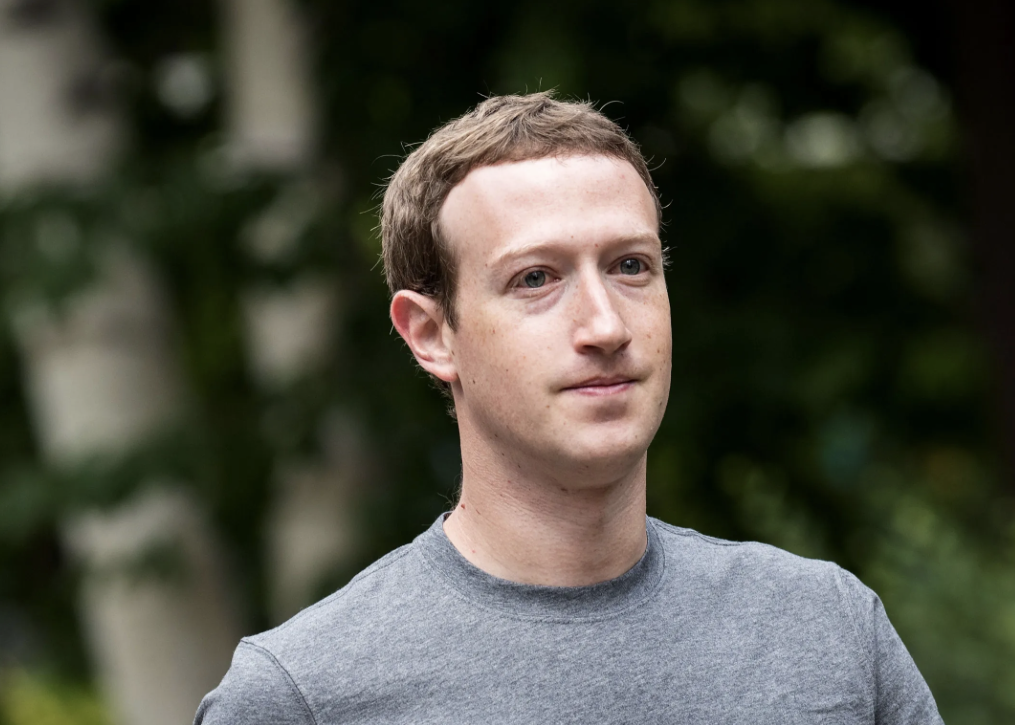
Mark Zuckerberg grew up in White Plains, New York, displaying early signs of technical brilliance. By the age of 12, he had already created a messaging software called “ZuckNet” for his father’s dental office. Programming wasn’t just a skill — it was instinctive curiosity. At Harvard University, he became known for building digital tools that connected people, including early campus-based social projects.
In 2004, he launched Facebook from his dorm room, initially limiting access to Harvard students. The platform spread rapidly across Ivy League campuses, then nationwide universities. What made Facebook different wasn’t just technology — it was timing. The world was ready for digital identity.
However, Zuckerberg’s early journey was not without conflict. Legal disputes with the Winklevoss twins, internal team tensions, and investor pressure tested the young founder. Dropping out of Harvard to move to Silicon Valley was a bold and uncertain step. Many questioned whether a college networking site could evolve into a serious business.
But Zuckerberg believed in scale from day one. He didn’t see Facebook as a website; he saw it as social infrastructure. That conviction — even amid lawsuits, criticism, and rapid growth chaos — laid the psychological foundation for what would later become one of the most powerful technology companies in the world.
2. The Turning Point
The critical moment came when Zuckerberg rejected multiple acquisition offers, including a billion-dollar proposal from Yahoo. At that stage, Facebook was still young and vulnerable. Accepting the deal would have secured instant wealth. Instead, he chose scale over security. Opening Facebook to the public beyond universities accelerated exponential user growth. That decision shifted Facebook from a promising startup to a global platform shaping digital behavior.
3. The Strategy
Zuckerberg’s strategy combined product obsession, aggressive scaling, and strategic acquisitions. He identified emerging threats early and acquired them — most notably Instagram and WhatsApp — turning potential competitors into ecosystem assets. Facebook’s shift to mobile-first architecture secured its advertising dominance. Later, rebranding to Meta Platforms signaled a long-term bet on virtual reality and the metaverse. His model reflects classic startup thinking: build network effects, reinvest capital, dominate distribution.
4. The Result
Today, Meta connects billions of users globally across platforms. Mark Zuckerberg became one of the most influential technology leaders of the 21st century. His journey illustrates how vision combined with bold decision-making can transform a dorm-room idea into global digital infrastructure. While challenges around privacy and regulation continue, his story remains one of scale, resilience, and long-term strategic thinking.