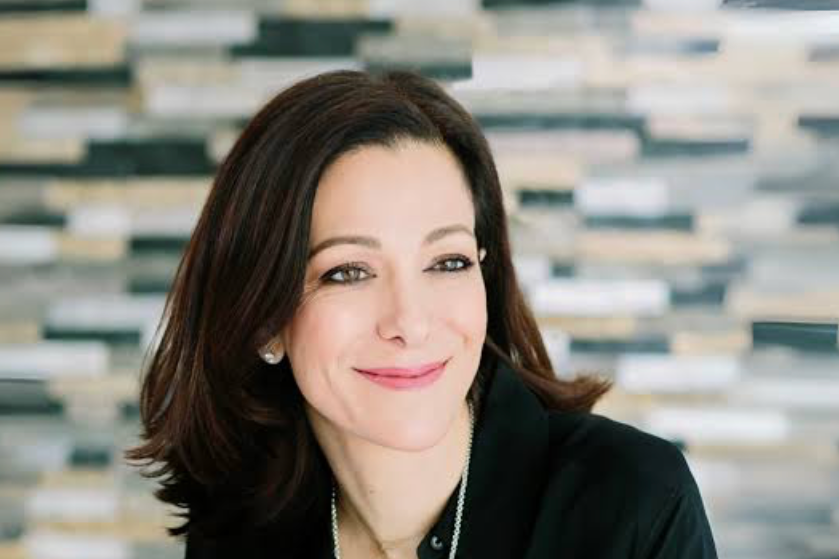

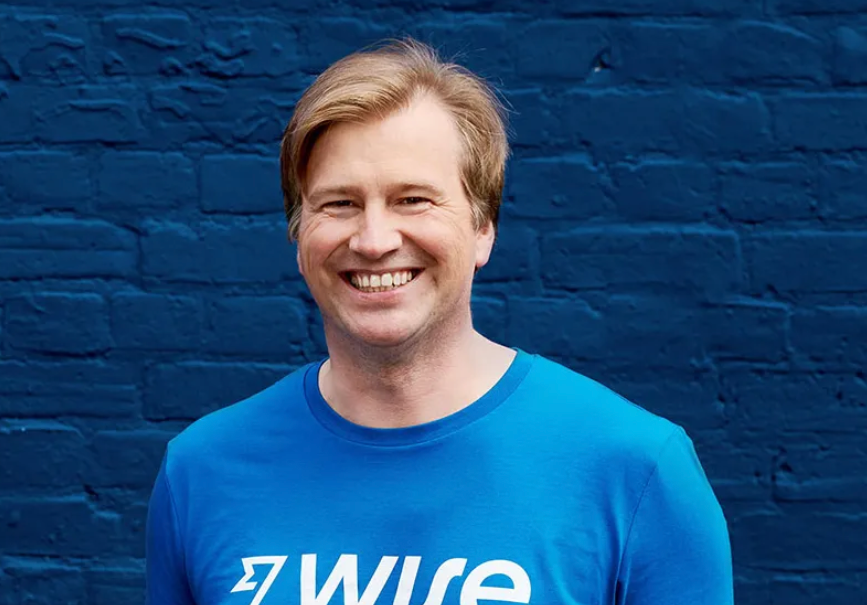
Two Estonians living in London had opposite problems. Taavet Hinrikus worked at Skype and was paid in euros but needed pounds. Kristo Käärmann was a consultant at Deloitte, paid in pounds, with a mortgage back in Estonia to service in euros.
So they stopped using banks with each other. Each month, Hinrikus put euros into Käärmann’s Estonian account, Käärmann put pounds into Hinrikus’s British one, and they settled at whatever rate the market said that day. No transfer fee, no spread, no money actually crossing a border.
That arrangement between two friends is the whole of Wise.
The consultant’s realisation
Käärmann had spent years at PricewaterhouseCoopers and Deloitte modernising systems for European banks and insurers. He had seen the machinery from the inside, and had been struck by how inefficient it was.
The specific grievance that started the company was a hidden one. He had moved £10,000 to Estonia and discovered the bank had quietly applied an exchange rate far from the real one, costing him hundreds of pounds that never appeared as a fee. The product’s founding principle was simply to show people that number.
They launched TransferWise in January 2011, matching people sending money in opposite directions so funds rarely needed to cross borders at all.
From startup to listed company
The company rebranded to Wise and expanded from transfers into multi-currency accounts, business accounts, and Wise Platform, which supplies the plumbing to other banks — including some of the institutions it set out to undercut.
Wise listed in London in 2021 via a direct listing, unusual in itself. In May 2026 it moved its primary listing to Nasdaq while retaining a secondary listing in London — a decision that provoked a familiar British argument about where technology companies choose to be valued. Both founders have become billionaires on paper, with Käärmann the larger holder.
The scrutiny
A company built on the promise of transparency attracts a particular kind of attention when its own affairs are not.
In 2021 HMRC fined Käärmann £365,651 over an unpaid tax bill of roughly £720,000 relating to the 2017-18 tax year, and named him on its list of deliberate defaulters. The Financial Conduct Authority then examined whether he remained fit and proper to hold a senior role. He has remained CEO throughout, aside from a three-month sabbatical in 2023.
More recently, in June 2026, the Bureau of Investigative Journalism reported that Wise platforms were suspected of involvement in around £432 million of suspicious transactions across thirty European countries — the sort of allegation that follows any payments business operating at serious scale, and one that will take time to resolve.
What carries over
Your own workaround may be the business. They were not prototyping. They were solving their own monthly problem, and only later noticed how many people had it.
Make the hidden cost visible. Wise’s most effective marketing for a decade was simply publishing what the banks were charging.
Transparency sets the bar you are judged against. Build a brand on honesty about money and every question about your own will be asked loudly.
Two friends swapping salaries to avoid a fee. Fifteen years later, banks pay to use the system they built instead.