
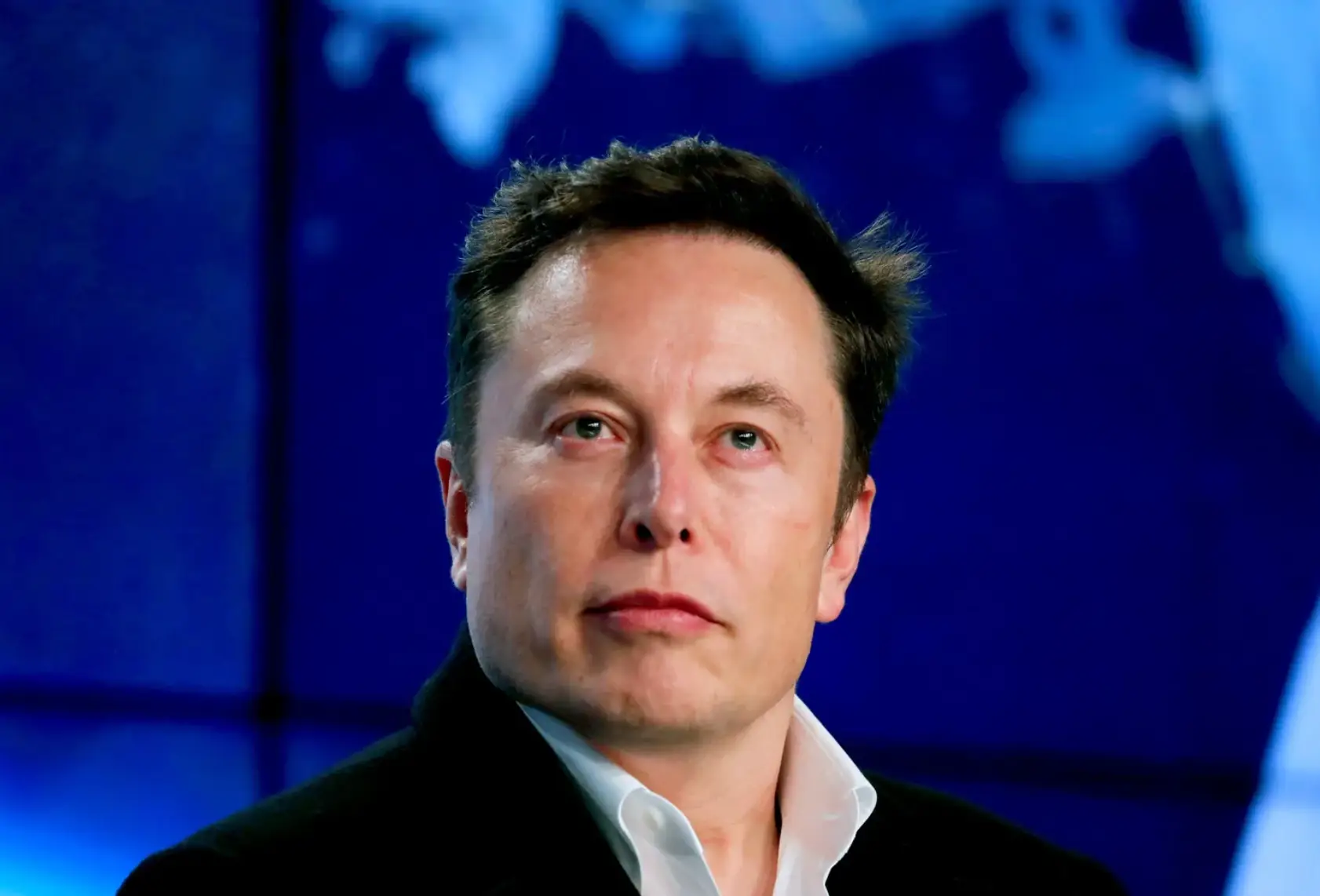
In 2008, Elon Musk was broke. Tesla was burning through cash, SpaceX had failed three rocket launches, and he was going through a divorce. He had to choose between saving Tesla or SpaceX—he couldn’t fund both. Friends told him to walk away. The entire world expected him to fail.
The Turning Point
On December 23, 2008, SpaceX’s fourth launch succeeded, winning a $1.6 billion NASA contract that saved the company. Days later, Tesla secured crucial funding on Christmas Eve—literally hours before bankruptcy. Musk had bet everything, including his last dollar, on these two companies.
The Strategy
Musk’s approach was radical: work harder than everyone else, ignore the critics, and focus on first principles thinking. He didn’t ask what was easy—he asked what was necessary. When experts said electric cars couldn’t work, he broke down battery costs to basic materials. When everyone said reusable rockets were impossible, he asked why they had to be disposable. He lived in his factories, sleeping on conference room floors to solve production problems firsthand.
The Results
Tesla became the world’s most valuable car company, worth over $800 billion at its peak. SpaceX revolutionized space travel, slashing launch costs by 90% and becoming the dominant force in commercial spaceflight. Musk’s net worth exceeded $200 billion, making him the richest person on Earth. He proved that impossible industries could be disrupted with enough determination.