
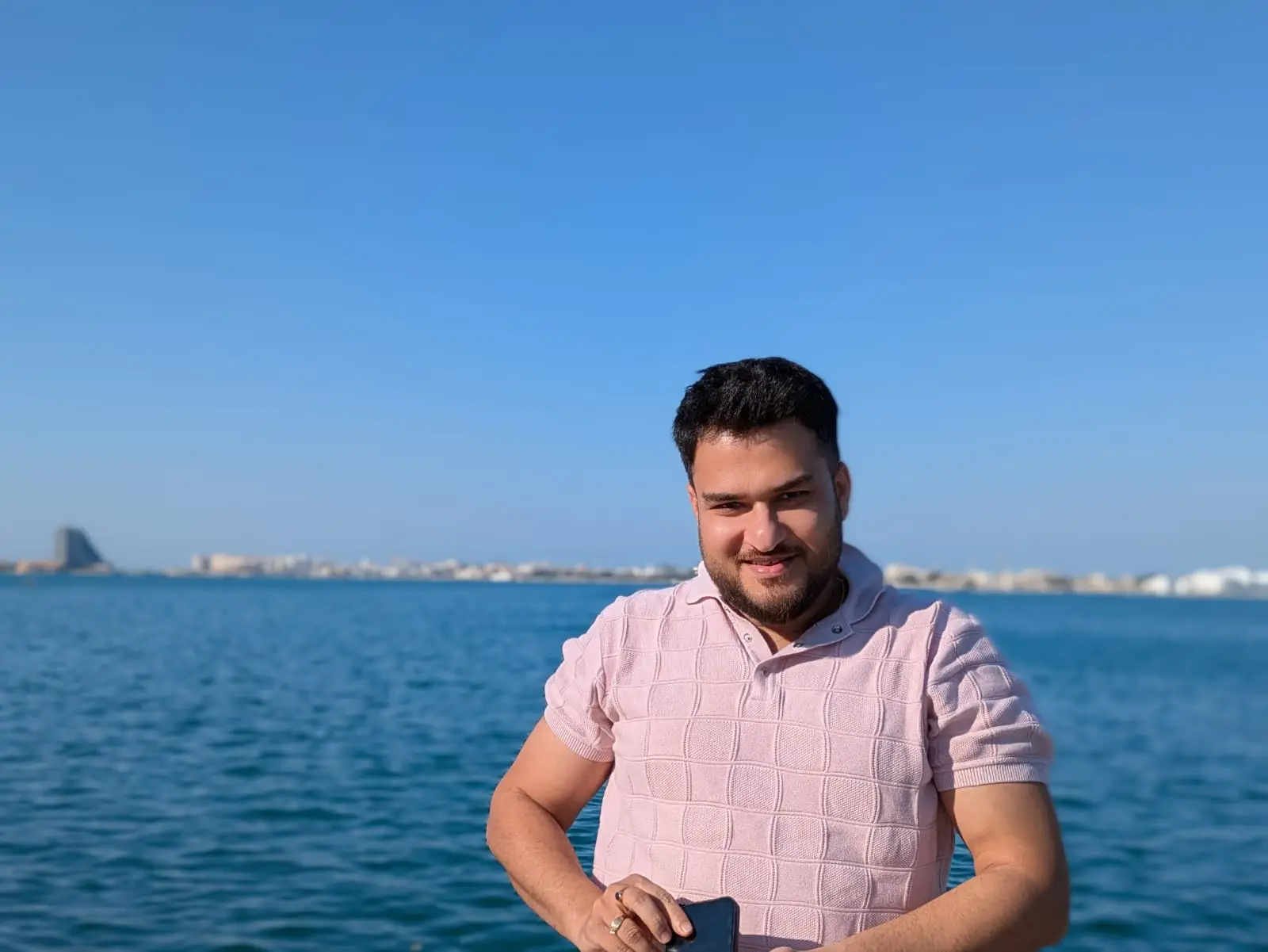
Investor Jaswant Singh on patient capital, emerging markets, and why the next decade of wealth creation belongs to builders who think in decades, not quarters.
Insights from Jaswant Singh on Building Sustainable Wealth
There is a certain stillness to how Jaswant Singh speaks about money. For a man whose career has moved capital across continents — from the corridors of institutional finance to the dusty streets of frontier markets — he carries no hunger to impress. He listens more than he speaks. And when he does speak, he chooses words with the precision of someone who has learned, through costly mistakes and quiet victories, that clarity is the most valuable currency of all.
Global Stories caught up with Singh at a time when markets are tense, geopolitics are reshaping trade routes, and a new generation of investors is asking deeper questions about what wealth is actually for. Singh, it turns out, has been asking those questions for years.
Q. You’ve described yourself as a “patient capital” investor. In a world obsessed with quarterly returns, where does that philosophy come from?
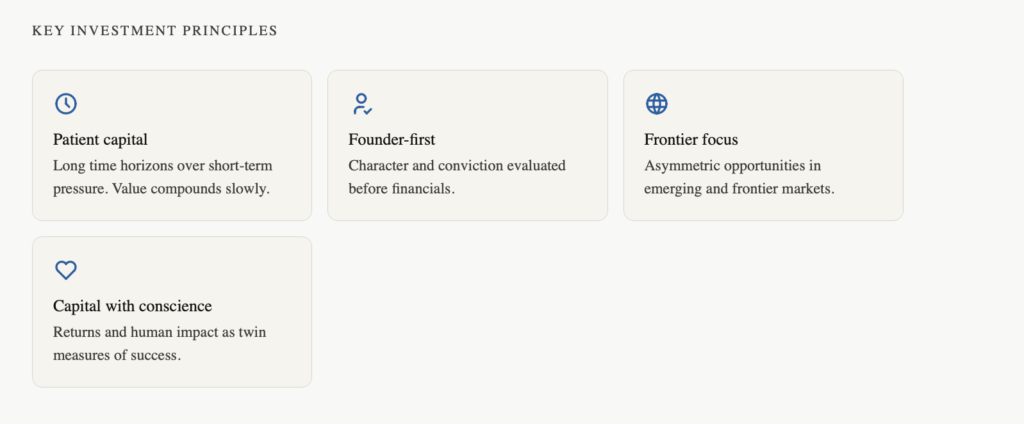
A. It comes from watching impatient capital destroy genuinely great businesses. I’ve seen founders who were building something real — something that needed five or six years to find its footing — get pressured into decisions that killed the company in year three. The money won in the short term. The value was lost forever. That stayed with me. Patient capital isn’t passive. It’s disciplined. It means saying no to the noise and yes to the signal, even when the signal is faint.
“Impatience in investing is not ambition. It’s anxiety wearing a suit.”— JASWANT SINGH
Q. You’ve invested heavily in emerging and frontier markets — regions many institutional investors avoid. What draws you there?
A. When I look at a mid-sized city in Sub-Saharan Africa or a logistics corridor in Southeast Asia, I see infrastructure that doesn’t exist yet, middle classes forming in real time, and entrepreneurs who have no safety net and therefore no complacency. Compare that to saturated markets where you’re fighting over basis points. I’d rather be early in a place that matters than late in a place that’s already been optimised. The risk is real — I won’t pretend otherwise — but so is the return, both financial and human.
Q. Talk us through how you evaluate an investment opportunity. What’s your mental checklist?
A. I start with the founder, not the financials. Numbers can be engineered. Character cannot. I want to understand why this person is building this — not what they tell me in the pitch, but the story underneath the story. After that I look at structural tailwinds: is there a fundamental human need being addressed, or is this a feature dressed as a business? Then I think about the ecosystem — does this team have access to the talent, the networks, the regulatory relationships they’ll need? By the time I reach the financial model, I already have a gut read. The model either confirms or complicates the thesis.
Q. You grew up in a household that wasn’t wealthy. How has that shaped your relationship with capital?
A. It means I never forget what money actually is in people’s lives. Capital, when deployed well, means a child gets a better school. It means a family doesn’t lose their home in a bad season. I carry that weight into every room I enter. I think that makes me more careful — and perhaps more demanding — than investors who grew up seeing wealth as an abstraction. For me it has always been concrete. It is lives. Either you’re adding to them or you’re subtracting from them.
“The best founders I’ve backed all share one trait — they treat uncertainty like a design constraint, not a threat.”— JASWANT SINGH
Q. What’s the biggest mistake you see new investors make?
A. Confusing activity with progress. There’s a culture now of moving fast — closing fast, deciding fast, posting about it fast — as if the velocity of decision-making is itself a competitive advantage. It isn’t. The best investments I’ve made had long, sometimes uncomfortable pauses before I committed. Silence in a deal isn’t weakness. It’s diligence. New investors should learn to be comfortable with the discomfort of not yet knowing.
Q. Where do you see the most compelling opportunities globally right now?
A. Three areas keep me up at night in a good way. First, climate infrastructure in the Global South — the energy transition isn’t just a Western story, and the financing models being built right now will determine who benefits. Second, the formalization of informal economies: there are billions of transactions happening outside financial systems that technology is finally beginning to capture. Third, longevity and health access — not the boutique longevity market for the wealthy, but the systemic work of bringing basic diagnostics and preventive care to populations that have never had it. The companies solving that, at scale, will be among the most important of this century.
Q. Final question — what do you want your legacy as an investor to be?
A. That the places I invested in were measurably better for it. Not just that returns were strong — though they should be, because returns are what sustains the mission — but that founders who might otherwise never have gotten a call answered a call from me. That a few important companies exist today that wouldn’t have existed otherwise. That capital, in some small way through my hands, behaved like it had a conscience. That’s enough. That’s more than enough.
Q. You have a book coming out — An Accidental Investor, expected by the end of 2027. The title is striking. Who exactly was this accidental investor, and what do you hope readers take away from the book?
A. That accidental investor is me — and honestly, I suspect it’s most people who’ve ever committed serious capital to anything. The title is a confession. I didn’t set out with a grand plan to become an investor. I stumbled into it through curiosity, through necessity, through a series of decisions that felt small at the time but turned out to be defining. The book is really about that gap — between how investing is presented publicly, this world of bold conviction and surgical precision, and what it actually feels like from the inside, which is often confusion, doubt, and learning just in time. I want readers, especially those who feel like they don’t belong in finance, to understand that the accidental path is not the wrong path. Some of the sharpest judgment I’ve ever witnessed came from people who arrived at investing sideways. The book is for them.
“I want readers to understand that the accidental path is not the wrong path.”— JASWANT SINGH, ON AN ACCIDENTAL INVESTOR