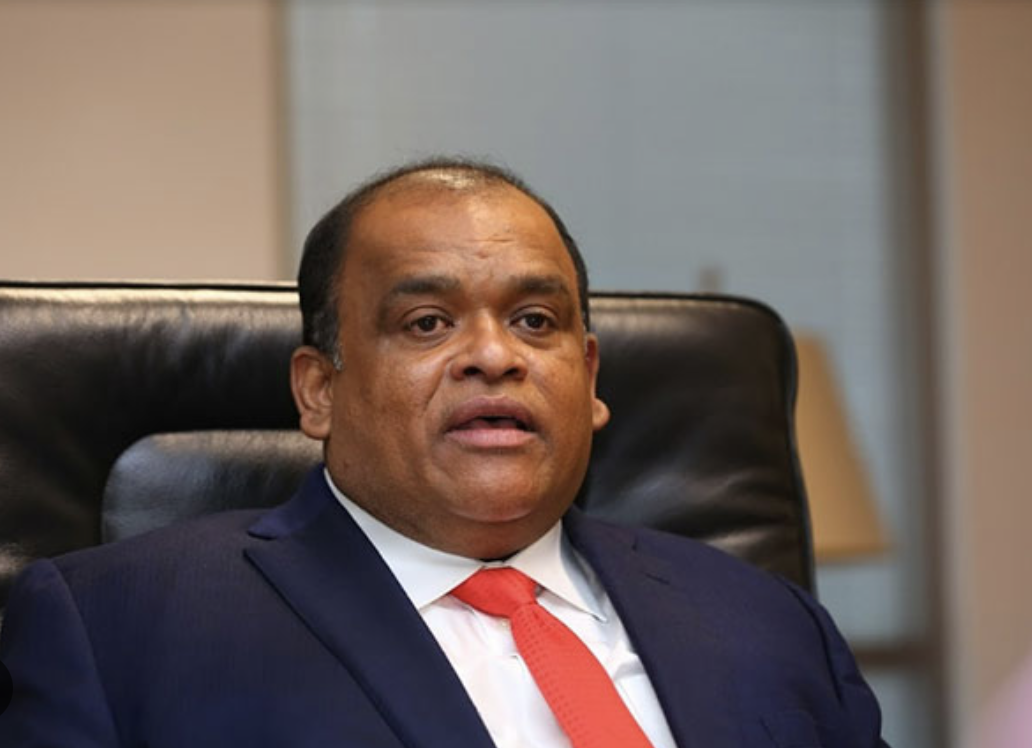


Binod Chaudhary’s journey is one of the most well-known business success stories from Nepal, but it is also surrounded by debate, scrutiny, and controversy. As Nepal’s first billionaire and the chairman of the Chaudhary Group (CG Corp Global), his rise represents ambition, diversification, and global expansion. At the same time, his story raises important questions about business practices, political connections, and the challenges of operating in emerging markets. For those searching for a Binod Chaudhary story, Nepal billionaire case study, or controversial business leaders in South Asia, this narrative offers a balanced and insightful perspective.
Binod Chaudhary was born in 1955 in Kathmandu, Nepal, into a business-oriented family. His father ran a small textile and trading business, which laid the foundation for what would later become one of Nepal’s largest conglomerates. Unlike many entrepreneurs who start from scratch, Chaudhary inherited a running business. However, transforming a local enterprise into a global brand required vision and strategic thinking.
He took charge of the family business at a young age, especially after his father’s health declined. This early responsibility pushed him into leadership roles sooner than expected. At that time, Nepal’s economy was still developing, with limited industrial infrastructure and heavy dependence on imports.
Chaudhary recognized that relying only on traditional trading would limit growth. He began exploring manufacturing and diversification, aiming to build products that could reach beyond Nepal’s borders.
The turning point in his business journey came with the launch of Wai Wai noodles, which would later become one of the most recognized food brands in South Asia. The product was unique because it could be consumed straight from the packet or cooked, making it highly versatile. This innovation helped the brand gain popularity quickly in Nepal and neighboring countries.
Wai Wai’s success allowed Chaudhary Group to expand into multiple sectors, including food, hospitality, banking, real estate, and infrastructure. Over time, CG Corp Global became a multinational conglomerate with operations in several countries.
However, as the business grew, so did public attention and scrutiny.
One of the key controversies surrounding Binod Chaudhary’s journey has been his close association with political and regulatory environments. Operating in a country like Nepal, where business and politics often intersect, has led to discussions about the role of influence in business growth. Critics have questioned whether certain advantages were linked to connections rather than purely market-driven success.
Another area of debate has been related to business expansion and regulatory compliance. Like many large conglomerates operating across multiple countries, CG Corp has faced scrutiny regarding financial practices, licensing, and operational transparency. While such challenges are not uncommon for large businesses, they have contributed to the controversial perception of Chaudhary’s rise.
Additionally, labor practices and corporate governance have occasionally been topics of discussion. As companies scale, maintaining consistent standards across regions becomes complex, and this has led to criticism from certain quarters.
Despite these controversies, Binod Chaudhary has also been recognized for his contributions to economic development and philanthropy. He has been involved in initiatives related to education, healthcare, and disaster relief, particularly during the 2015 Nepal earthquake. His foundation has supported various social causes, helping improve infrastructure and access to essential services.
Chaudhary also entered politics, becoming a member of Nepal’s parliament. This move further blurred the line between business and governance, intensifying both his influence and the scrutiny surrounding him. Supporters view his political role as a way to contribute to national development, while critics see it as a potential conflict of interest.
From a strategic perspective, Binod Chaudhary’s success can be attributed to several key decisions. First, he focused on building scalable consumer brands like Wai Wai, which could expand across borders. Second, he diversified into multiple industries, reducing dependence on a single revenue stream. Third, he adopted a global mindset, positioning his company beyond Nepal’s limited domestic market.
However, his story also highlights important lessons about the challenges of scaling in emerging economies. Growth often brings complexity, and managing that complexity requires strong governance, transparency, and accountability.
The Binod Chaudhary story is not simply about success or controversy. It is about navigating both simultaneously. It reflects how business leaders in developing regions operate within unique environments where economic, political, and social factors are deeply interconnected.
For aspiring entrepreneurs, his journey offers both inspiration and caution. It shows the importance of vision, adaptability, and global thinking. At the same time, it emphasizes the need for ethical practices and strong institutional frameworks to sustain long-term success.
Today, Binod Chaudhary remains one of the most influential business figures in Nepal and South Asia. His company continues to expand globally, and his role in shaping Nepal’s business landscape is significant.
In conclusion, the story of Binod Chaudhary provides a comprehensive case study of ambition, growth, and controversy. For those exploring Nepal billionaire stories, South Asian business leaders, or controversial entrepreneurs, this narrative highlights the complexities of building and managing large-scale enterprises in evolving markets.
It ultimately raises an important question:
Is success defined only by scale and wealth, or also by the systems and values that sustain it?