
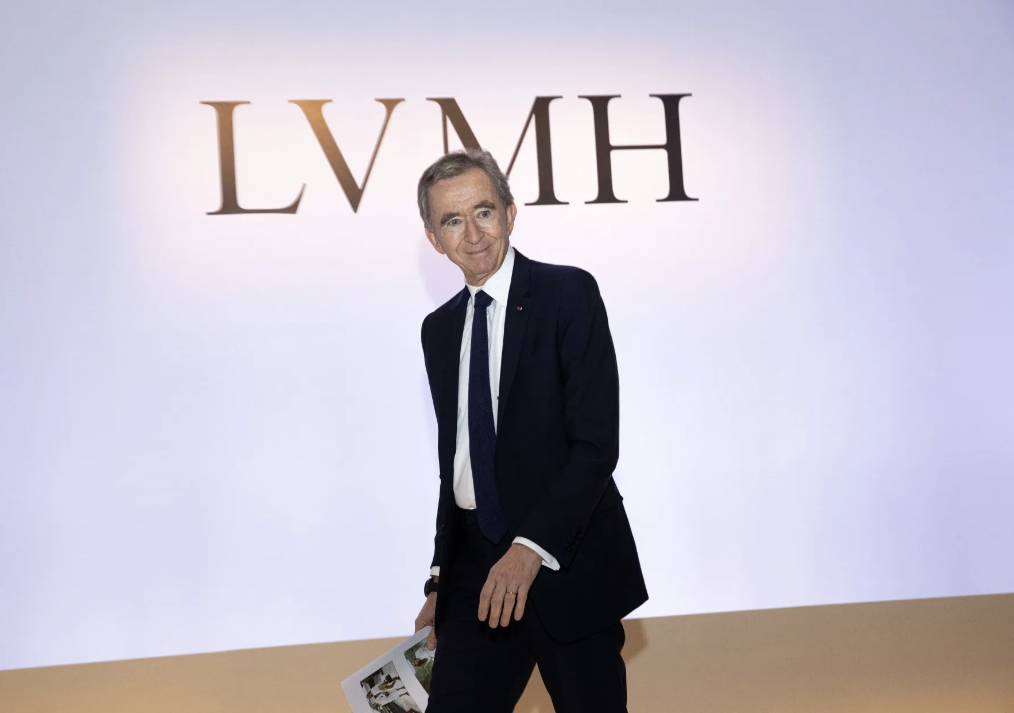
The story of Bernard Arnault is one of the most powerful and controversial narratives in global business. While widely recognized as a French luxury magnate, an important part of his strategic expansion and financial structuring has deep connections with Belgium. His journey reflects ambition, calculated acquisitions, and ongoing debates around wealth concentration, corporate power, and international tax structures.
Early Life and Foundations
Bernard Arnault was born in 1949 in Roubaix, France, into a family involved in construction and real estate. From an early age, he was exposed to business thinking and strategic planning. He studied engineering at École Polytechnique, one of France’s most prestigious institutions, which shaped his analytical and structured approach to business.
He began his career in the family business, where he quickly demonstrated a strong ability to identify opportunities and restructure operations. However, his ambitions extended beyond construction—he wanted to build something larger, more influential, and global.
The Turning Point – Entry into Luxury
Arnault’s breakthrough came in the 1980s when he acquired a struggling textile company that owned the luxury brand Christian Dior. Instead of focusing on the textile business, he recognized the value of the luxury brand itself.
This decision marked the beginning of his strategy:
Acquire undervalued luxury assets → Restructure them → Scale globally
This approach became the foundation of what would later evolve into LVMH (Moët Hennessy Louis Vuitton), the world’s largest luxury goods conglomerate.
Building the LVMH Empire
Under Arnault’s leadership, LVMH expanded aggressively through acquisitions. The group brought together some of the most iconic luxury brands in the world, including:
- Louis Vuitton
- Dior
- Fendi
- Givenchy
- Moët & Chandon
His strategy was not just about ownership—it was about control and positioning. Each brand maintained its identity while benefiting from shared resources, global distribution, and strategic oversight.
This model allowed LVMH to dominate the luxury market, generating billions in revenue and making Arnault one of the richest individuals in the world.
The Belgium Connection
One of the most controversial aspects of Bernard Arnault’s story is his connection to Belgium. At one point, Arnault sought Belgian citizenship, a move that sparked significant debate in France and across Europe.
Critics viewed this as a strategy to optimize tax structures, raising questions about fairness and the responsibilities of billionaires within national economies. Supporters, however, argued that in a globalized world, business leaders operate across borders and make strategic decisions based on international frameworks.
Although Arnault later withdrew his citizenship request, the episode highlighted a broader issue:
The relationship between wealth, taxation, and national identity.
Power and Influence
Bernard Arnault’s influence extends far beyond luxury goods. As the head of LVMH, his decisions impact global fashion trends, employment, supply chains, and consumer behavior.
This level of influence often leads to debates about market concentration. When one group controls a significant share of an industry, questions arise about competition, pricing power, and innovation.
At the same time, LVMH’s success has contributed to economic growth, job creation, and the global expansion of European luxury brands.
Controversies and Criticism
Like many powerful business figures, Arnault’s journey has not been without controversy.
Key areas of debate include:
- Wealth concentration in the luxury sector
- Tax strategies and international financial structures
- Market dominance through acquisitions
- Influence over global fashion and retail industries
These discussions reflect the broader challenges of managing large-scale corporate empires in a global economy.
Strategic Principles Behind Success
Bernard Arnault’s success is built on several key principles:
- Long-term vision: Investing in brands with enduring value
- Strategic acquisitions: Identifying and restructuring undervalued assets
- Brand positioning: Maintaining exclusivity and prestige
- Global expansion: Leveraging international markets for growth
His ability to combine creativity with financial discipline has made LVMH a dominant force in the luxury industry.
The Bernard Arnault story offers valuable insights for entrepreneurs and business leaders:
- Building a global empire requires both vision and execution
- Strategic acquisitions can create exponential growth
- Branding and perception are critical in premium markets
- Global operations introduce both opportunities and scrutiny
The story of Bernard Arnault is not just about luxury or wealth—it is about power, strategy, and global influence. His connection to Belgium adds another layer to an already complex narrative, highlighting how modern billionaires operate across borders and systems.