

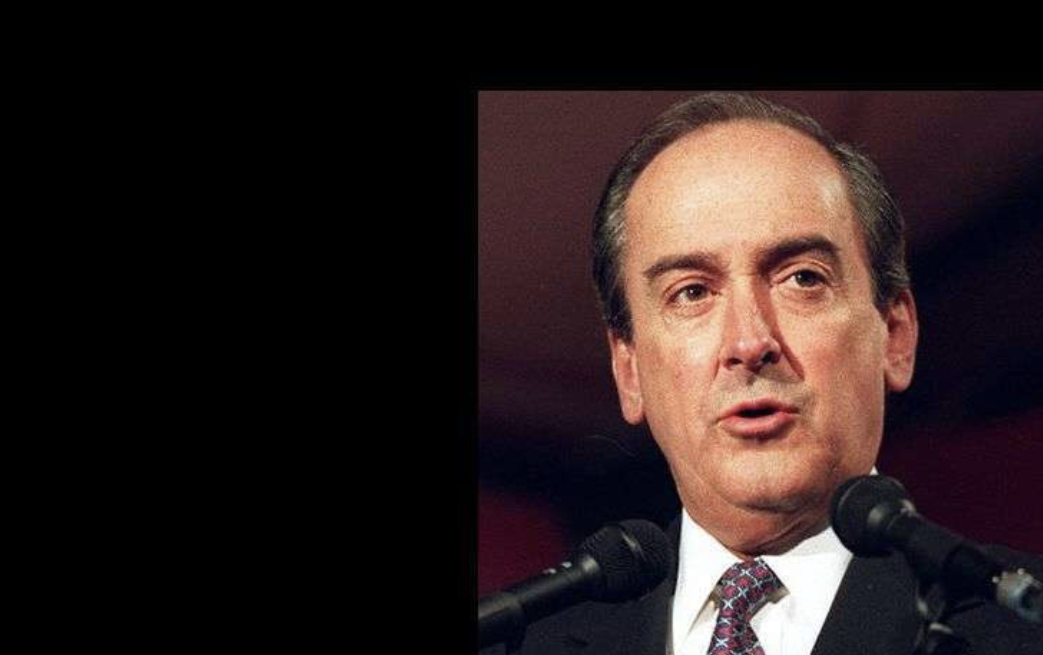
The story of Roberto Goizueta is one of the most powerful business journeys linked to Cuba. It is a narrative of exile, reinvention, leadership, and controversial decision-making that reshaped one of the world’s most iconic corporations. For those searching for a Roberto Goizueta story, Cuban entrepreneur success, or Coca-Cola leadership case study, this story offers deep insights into resilience, strategy, and global business transformation.
Roberto Goizueta was born in 1931 in Havana, Cuba, into a prosperous family. His early life was defined by privilege, access to education, and exposure to structured business environments. He pursued chemical engineering at Yale University, where he developed a strong analytical mindset that would later influence his leadership style.
However, his life changed dramatically during the Cuban Revolution in 1959. As political conditions shifted, many families lost assets and stability, including Goizueta’s. He was forced to leave Cuba and relocate to the United States, effectively starting over from scratch.
This transition was not just geographical—it was psychological.
He moved from a position of comfort to one of uncertainty. But instead of slowing him down, this shift sharpened his focus. He approached his career with urgency, discipline, and a long-term vision for rebuilding success.
In 1964, Goizueta joined The Coca-Cola Company as a chemist. At the time, Coca-Cola was already a well-known brand, but it was still evolving in terms of global strategy and product diversification.
Goizueta’s early role was technical, but his impact quickly expanded. He demonstrated a strong ability to think beyond his immediate responsibilities, understanding both product development and business strategy. His performance and insight helped him rise through the ranks.
By 1981, Roberto Goizueta became the CEO of Coca-Cola—a major milestone not only for his career but also for the company. Under his leadership, Coca-Cola entered one of the most transformative periods in its history.
Goizueta introduced a new mindset focused on value creation rather than just volume growth. He believed that the company should prioritize profitability, efficiency, and long-term brand strength. This approach marked a shift from traditional strategies and laid the foundation for modern corporate thinking.
One of his most important strategic moves was the expansion of Coca-Cola’s global presence. He focused heavily on international markets, recognizing that future growth would come from regions outside the United States.
Under his leadership, Coca-Cola expanded aggressively into:
• Latin America
• Asia
• Eastern Europe
• Emerging markets worldwide
This global expansion significantly increased the company’s reach and revenue, making Coca-Cola one of the most recognizable brands in the world.
Goizueta also emphasized marketing and brand positioning. He understood that Coca-Cola was not just a beverage—it was an emotional product associated with lifestyle and identity. His strategies strengthened brand loyalty and global recognition.
However, his leadership was not without controversy.
One of the most debated decisions in the Roberto Goizueta story was the launch of “New Coke” in 1985.
In an effort to compete with changing consumer preferences and increasing competition, Coca-Cola introduced a new formula. The decision was based on extensive research and testing, but it overlooked one critical factor—emotional attachment.
Consumers reacted negatively. The original formula was deeply tied to identity and tradition, and the change triggered a strong backlash.
Within months, Coca-Cola reintroduced the original formula as “Coca-Cola Classic.”
While initially seen as a failure, the episode ultimately strengthened the brand. The public response highlighted the emotional connection consumers had with Coca-Cola, reinforcing its cultural significance.
This event remains one of the most studied cases in marketing and business strategy. It demonstrates how even well-researched decisions can fail if they do not account for consumer psychology.
Another aspect of Goizueta’s leadership was his focus on financial discipline. He introduced strategies to improve operational efficiency, optimize pricing, and enhance shareholder value. These changes contributed to significant growth in the company’s market value during his tenure.
By the time of his passing in 1997, Coca-Cola had become one of the most valuable and influential companies in the world. Its global footprint, strong brand identity, and financial performance reflected the impact of his leadership.
The Roberto Goizueta story offers several important lessons for entrepreneurs and business leaders.
First, it highlights the power of resilience. Starting over in a new country after losing everything is a challenge that requires determination and adaptability. Goizueta’s ability to rebuild his life and career demonstrates the importance of mindset in achieving success.
Second, it emphasizes strategic thinking. His focus on global expansion and value creation transformed Coca-Cola into a dominant global brand. Understanding where future growth lies is critical for long-term success.
Third, the story underscores the importance of understanding consumers. The New Coke incident shows that data and research must be balanced with emotional insight. Businesses must consider not only what customers say, but also what they feel.
Fourth, it demonstrates the role of leadership in shaping organizations. Goizueta’s decisions influenced not only Coca-Cola’s performance but also how modern corporations approach growth, branding, and global strategy.
For those exploring Cuban entrepreneur success stories, global CEO leadership case studies, or controversial business decisions, this narrative provides a comprehensive perspective. It shows how success is built through a combination of vision, execution, and the ability to learn from failure.
In conclusion, Roberto Goizueta’s journey is not just about corporate achievement. It is about transformation—both personal and organizational.
From a young man forced to leave his home country to becoming the CEO of one of the world’s most iconic companies, his story reflects the potential of resilience, strategy, and leadership.
It ultimately raises a powerful question:
Is success defined by never making mistakes—
or by the ability to turn those mistakes into lasting impact?