

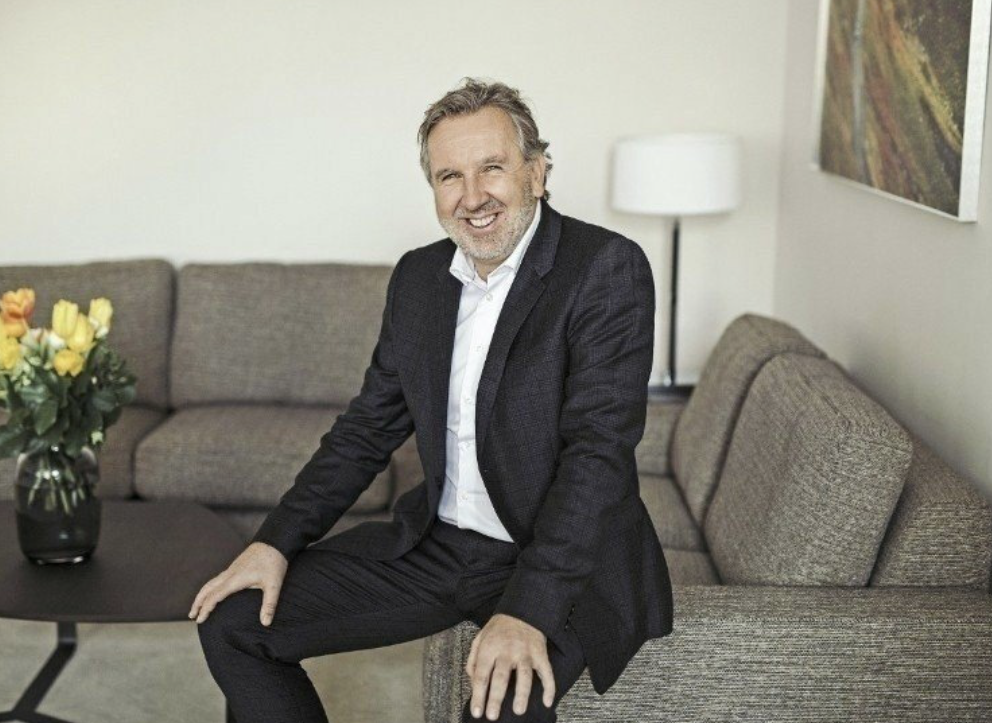
Michał Sołowow’s journey reflects the transformation of Poland itself — from a centrally planned economy to one of Europe’s most dynamic market systems.
He began his career during a period of enormous change in the early 1990s, when Poland was transitioning from communism to capitalism. The rules were new. Markets were unstable. Institutions were evolving.
Where many saw uncertainty, Sołowow saw opportunity.
He entered industries that were fundamental to economic rebuilding — construction materials, manufacturing, and industrial production. These were not glamorous sectors. They were capital-intensive, operationally complex, and deeply cyclical.
But they were essential.
Through disciplined acquisitions and strategic consolidation, he built controlling stakes in companies that later became major players in Europe’s industrial landscape. Instead of chasing consumer brands or media attention, he focused on scalable industrial assets.
His approach was methodical.
He invested in operational efficiency.
He modernized production.
He expanded regionally into other European markets.
Over time, his holdings grew into one of the largest privately controlled industrial groups in Central and Eastern Europe. His investments spanned construction materials, chemicals, energy, and technology-driven sectors.
What sets Sołowow apart is his low-profile leadership style. He rarely seeks public visibility. There are no flamboyant announcements or aggressive branding campaigns. His reputation is built on performance, capital discipline, and long-term ownership.
He understood a simple but powerful principle:
In emerging markets, industrial backbone industries create enduring wealth.
By focusing on core sectors that fuel infrastructure and development, he positioned himself at the center of Poland’s economic rise.
His story mirrors Poland’s broader success — resilience, disciplined growth, and integration into global markets.
More than becoming one of Poland’s wealthiest individuals, Michał Sołowow demonstrated that sustainable wealth is often built not through hype, but through patient control of strategic assets.
The Turning Point
The defining moment came when Sołowow began consolidating ownership in key industrial companies rather than remaining a passive investor.
He acquired significant stakes in manufacturing and chemical businesses, turning them into professionally managed, export-oriented enterprises.
Rather than flipping assets, he took long-term control.
This shift from trader to strategic owner transformed his portfolio from scattered investments into an integrated industrial group. It marked his transition from opportunistic investor to industrial architect.
The Strategy
His strategy can be broken into three pillars:
1. Industrial Focus Over Hype
He concentrated on sectors that support infrastructure and economic growth — industries that generate stable demand over time.
2. Control and Consolidation
Instead of minority stakes, he pursued controlling ownership. This allowed operational restructuring, efficiency improvement, and strategic expansion across Europe.
3. Long-Term Capital Discipline
He reinvested profits, strengthened balance sheets, and expanded geographically into other European markets. His companies focused on exports, which reduced dependence on Poland’s domestic cycle.
By combining operational excellence with financial discipline, he built scalable industrial platforms rather than speculative holdings.
The Result
Michał Sołowow became one of the wealthiest individuals in Poland and one of Central Europe’s most significant industrial investors.
His companies expanded across Europe, strengthened Poland’s industrial base, and competed internationally.
More importantly, he demonstrated that sustainable wealth in emerging markets is often built through:
- Strategic sector selection
- Majority control
- Operational modernization
- Patience through economic cycles
His legacy reflects a broader lesson: in transitional economies, those who build the industrial backbone often create the most enduring value.