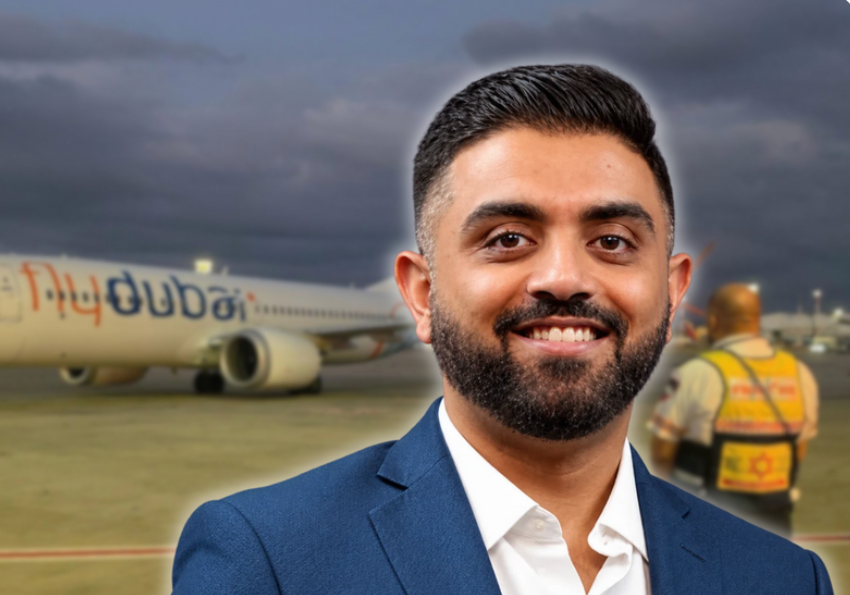

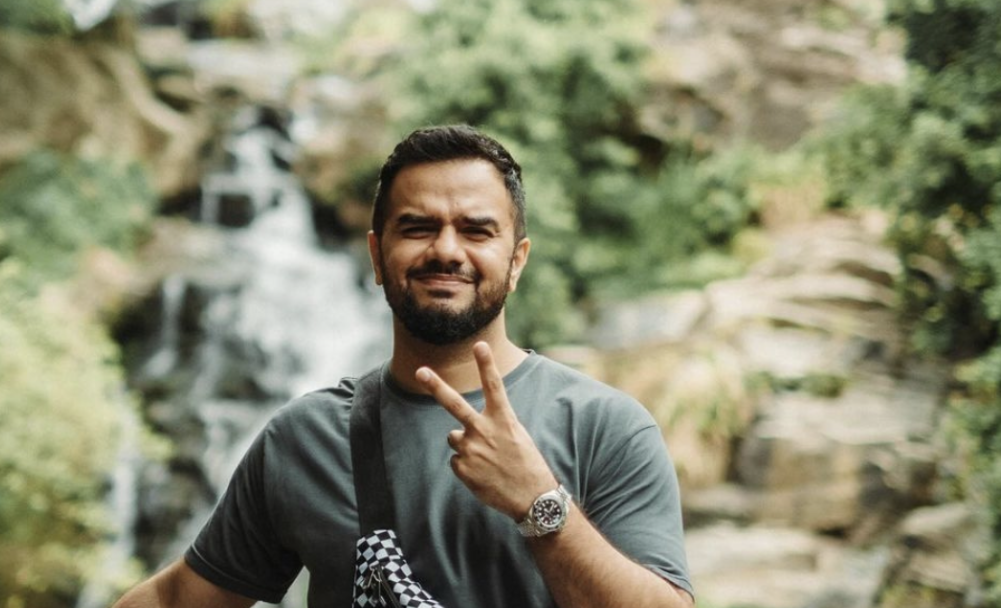
In 2016, Irfan Junejo was an MBA graduate from Karachi with a stable career ahead of him. But he had a camera, a love for storytelling, and an itch that corporate life couldn’t scratch. He wanted to create content that showed Pakistan differently—not through news headlines of conflict and chaos, but through the lens of beauty, culture, and everyday life.
The challenge was enormous. Pakistani YouTube in 2016 was dominated by prank channels, reaction videos, and low-quality content. There were no role models for cinematic vlogging in Pakistan. International creators like Casey Neistat inspired him, but their contexts were completely different. Could high-quality, story-driven content work in Pakistan where internet speeds were slow and audiences preferred quick entertainment?
Irfan started with a 3-minute video filmed in his room. It was simple, well-edited, and thoughtful. Few people watched it. His family questioned whether he was wasting his MBA degree on ‘YouTube videos.’ Friends suggested he focus on his real career. But Irfan saw potential where others saw futility.
More challenging was Pakistan’s image problem. International audiences associated Pakistan with terrorism and instability. Domestic audiences were used to seeing their country through this negative lens too. Irfan wanted to tell a different story—one that highlighted Pakistan’s natural beauty, rich culture, warm people, and untapped potential. But would anyone care?
The Turning Point
The breakthrough came when Irfan committed to production quality that Pakistani YouTube had never seen. While other creators filmed casually on phones, Irfan approached vlogging like filmmaking. He studied cinematography, learned color grading, mastered editing, and treated every frame like it mattered.
His signature phrase ‘Scenez kuch aisay hain’ (The scenes are like this) became iconic. But more than catchphrases, it was his storytelling that hooked viewers. His travel vlogs weren’t just ‘I went here, saw this’—they were narratives with emotional arcs, stunning visuals, and genuine human connection.
The turning point came in 2021 when YouTube featured him on its official Instagram page, calling his work a ‘cinematic universe.’ He became the first and only Pakistani creator to receive this honor. Suddenly, international audiences discovered Pakistan through Irfan’s lens—lush valleys, vibrant cities, kind strangers, and rich traditions.
Even Tanmay Bhatt, one of India’s biggest YouTubers, publicly praised Irfan as one of his favorite creators and collaborated with him. This cross-border appreciation proved that quality storytelling transcends politics and borders.
But then came the hardest challenge of all. At the peak of his success in 2020, Irfan disappeared. He stopped posting. Rumors swirled. His return video, ‘I Quit,’ revealed his battle with anxiety, low self-esteem, and the pressure of constant content creation. His vulnerability sparked crucial conversations about male mental health in Pakistan—a topic rarely discussed openly.
When he returned with ‘How NOT to get a Million Subscribers!’, it wasn’t triumphant—it was honest. He talked about burnout, the toxicity of chasing metrics, and prioritizing mental health over views. His honesty made him more influential than any viral video could.
The Strategy
Irfan’s success came from treating YouTube like an art form, not just a content platform.
Cinematic Quality Over Quantity
While other Pakistani creators uploaded daily or multiple times weekly, Irfan posted when he had a story worth telling. He spent days editing single videos, ensuring color grading was perfect, music complemented mood, and every shot served the narrative. This obsession with quality made each upload an event.
Show Pakistan’s Positive Side
Irfan consciously created content showcasing Pakistan’s beauty—Northern areas, cultural festivals, street food, everyday kindness. His vlogs became unofficial tourism videos, inspiring Pakistanis to explore their own country and international audiences to reconsider Pakistan. He built soft power through storytelling.
Authentic Emotional Narratives
Irfan’s vlogs had emotional depth. His travel videos weren’t just about locations—they were about personal growth, human connection, and introspection. Viewers didn’t just watch his content; they felt it. This emotional resonance created deep audience loyalty.
Strategic Brand Partnerships
Irfan worked with global brands like Coca-Cola who valued his production quality and authentic voice. He also collaborated with filmmakers and other creators, expanding his network and credibility. These partnerships added revenue streams beyond YouTube ads while maintaining creative control.
Vulnerability as Strength
When Irfan openly discussed his mental health struggles, he broke taboos in Pakistani society where men are expected to stay strong and silent. This vulnerability didn’t weaken his brand—it deepened it. Audiences respected his honesty and related to his struggles, making him more influential than ever.
Stay Clear of Controversies
While other Pakistani YouTubers chased views through drama and controversy, Irfan stayed clean. He focused on positive content, refused to participate in public feuds, and maintained dignity even when others tried to drag him into drama. This integrity made him a role model rather than just an entertainer.
The Results
Today, Irfan Junejo stands as Pakistan’s most respected content creator, with achievements that extend far beyond YouTube metrics.
His YouTube channel has 1.29 million subscribers with tens of millions of views. His estimated net worth is $1.5 million, earned through YouTube revenue, brand partnerships, and creative collaborations. But numbers don’t capture his real impact.
In 2021, YouTube featured him on its official Instagram—the only Pakistani creator ever honored this way. In 2023, he raised PKR 5.37 million for Palestinian relief, proving his platform’s power for social good. In 2024, the Saudi government invited him as a royal guest for Hajj—an unprecedented honor reflecting his influence and character.
He changed how the world sees Pakistan. His vlogs have been watched by millions internationally, showing Pakistan’s beauty and challenging negative stereotypes. Tourism boards reference his work. Young Pakistanis cite him as inspiration to explore their own country.
More importantly, he elevated Pakistani YouTube from low-quality entertainment to cinematic storytelling. He proved that Pakistani creators could compete globally on quality, not just quantity. He paved the way for a new generation of thoughtful, high-quality content creators in Pakistan.
His openness about mental health created space for Pakistani men to discuss anxiety, depression, and self-esteem issues—conversations that could save lives. He showed that success doesn’t require sacrificing mental health, and that vulnerability is courage, not weakness.