

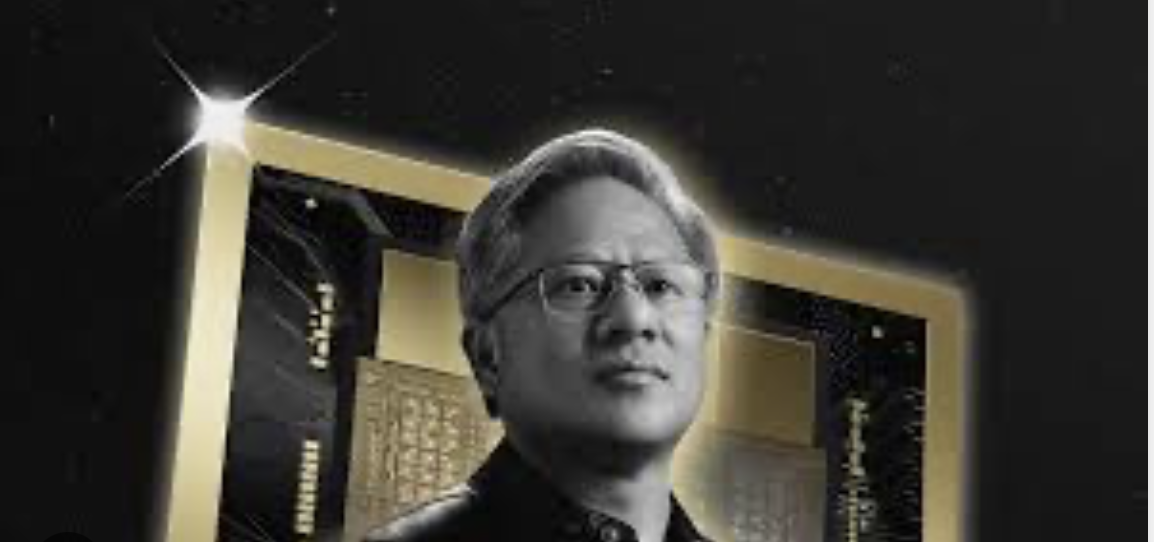
Jensen Huang co-founded NVIDIA in 1993 with $40,000, believing that graphics processors would revolutionize computing. The problem? Nobody cared about graphics chips. PCs were for spreadsheets and word processing, not gaming or graphics. Intel dominated chips, and competing seemed suicidal. NVIDIA nearly went bankrupt multiple times in the late 1990s. Their first chip was a disaster. Microsoft rejected their technology. Jensen had to lay off employees and take massive pay cuts. By 1997, NVIDIA was six months from running out of money.
The Turning Point
In 1999, NVIDIA launched the GeForce 256, the world’s first GPU (Graphics Processing Unit). It transformed PC gaming overnight, rendering 3D graphics that were previously impossible. Gamers went crazy. But Jensen saw something bigger: GPUs weren’t just for gaming—they could accelerate any computation that required parallel processing. In the 2000s, he bet the company on CUDA, a platform that let developers use GPUs for scientific computing, AI, and machine learning. Everyone thought he was crazy. Then deep learning took off, and suddenly every AI researcher needed NVIDIA GPUs.
The Strategy
Jensen’s strategy was visionary and patient: build the best hardware, create software that unlocks its potential, and wait for the world to catch up. While competitors focused on gaming, he invested billions in AI infrastructure years before it was profitable. He cultivated relationships with researchers, giving away GPUs to universities and labs. He built an ecosystem where NVIDIA’s technology became essential to AI development. When ChatGPT launched and the AI boom exploded, NVIDIA was the only company with the chips and software to power it at scale.
The Results
NVIDIA is now worth over $2 trillion, making it one of the most valuable companies on Earth. Jensen Huang’s net worth exceeds $100 billion. NVIDIA GPUs power every major AI system—ChatGPT, Google’s AI, Tesla’s self-driving, data centers worldwide. The company generates over $60 billion in annual revenue, with AI chips in such high demand that there are year-long waitlists. Jensen bet on AI a decade before it became mainstream, and that patience created one of the greatest wealth-creation stories in tech history. He didn’t just disrupt an industry—he enabled an entire technological revolution.