

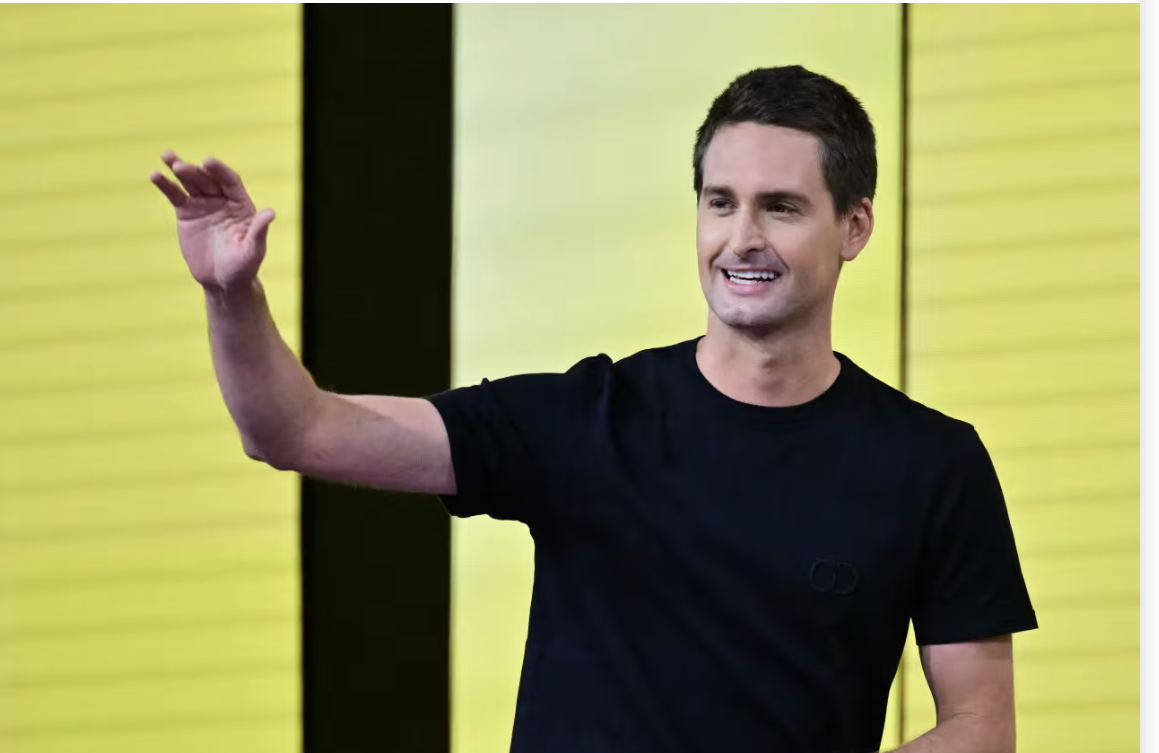
Evan Spiegel was a Stanford student who seemed to have it all—wealthy family, prestigious education, bright future. But in 2011, he had an idea that everyone thought was stupid: photos that disappeared after being viewed. His classmates mocked it. Investors dismissed it as a sexting app. Even his co-founder Reggie Brown sued him and got pushed out of the company. When Facebook’s Mark Zuckerberg offered $3 billion to acquire Snapchat in 2013, Evan—then just 23 years old—said no. People thought he was insane.
The Turning Point
The app launched as ‘Picaboo’ in July 2011 and initially flopped. Spiegel’s parents thought he was wasting his Stanford education. But he noticed something: high school students were using it obsessively. They loved that photos disappeared—it felt authentic and low-pressure compared to Facebook’s permanent record. He rebranded to Snapchat and focused exclusively on this young demographic. The breakthrough came when Snapchat Stories launched in 2013, allowing users to create narratives that disappeared after 24 hours. It redefined social media from a highlight reel to authentic moments.
The Strategy
Spiegel’s strategy was counterintuitive: embrace ephemerality in a world obsessed with permanence. While Facebook archived everything, Snapchat let moments disappear. He rejected multiple acquisition offers, believing Snapchat could become bigger than anyone imagined. He added innovative features like Lenses (AR filters), Discover (media content), and Snap Map. He also pioneered the idea that the camera is more important than text—opening Snapchat goes straight to the camera, not a feed. This mobile-first, camera-first approach became the future of social media.
The Results
Snapchat went public in 2017 at a $24 billion valuation, making Evan Spiegel one of the youngest self-made billionaires in history at age 26. Today, Snapchat has over 400 million daily active users and generates over $4.5 billion in annual revenue. The app pioneered Stories (which Instagram and Facebook copied), AR filters (now industry standard), and ephemeral content. Spiegel proved that turning down billions when you’re in your twenties isn’t crazy—it’s conviction. His net worth now exceeds $10 billion.