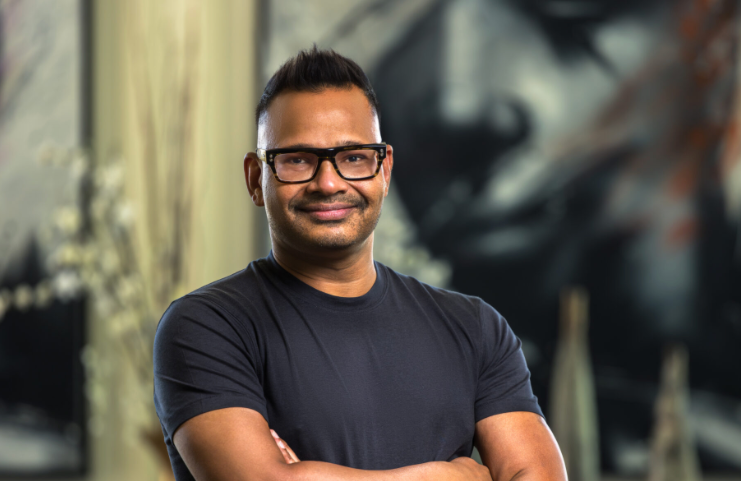


The advice given to every aspiring creator is to quit the job and go all in. Ali Abdaal did the opposite, and that is the only interesting thing about his story.
He kept working full-time as a doctor in the NHS, including through the pandemic, while building a business that eventually out-earned medicine many times over. He left clinical work only when staying made no financial sense at all.
The business came before the channel
Most people meet Abdaal as a YouTuber. The sequence was the other way round.
While at Cambridge medical school he had already built 6med, a business selling courses to students preparing for medical school entrance exams. It had grown to roughly $150,000 in revenue and then stalled. The YouTube channel started in 2017 as a marketing funnel for that company — a way to reach more applicants.
He posted his first videos to 47 subscribers while beginning his first year as a junior doctor.
Two jobs, five to ten hours a week
The content broadened from medical school advice into study technique, productivity and the realities of life as a junior doctor. He built systems to produce it in five to ten hours a week around hospital shifts.
By 2019 affiliate income alone had reached around $37,000, close to his NHS salary. That is the moment most people would quit. He did not, because the economics of staying were still fine and the downside of leaving was real.
Where the money actually comes from
By 2021 the business was turning over roughly $4.6 million, and YouTube ad revenue was its smallest meaningful stream. The largest single line was an online course, the Part-Time YouTuber Academy, which brought in around $2.4 million in that year alone.
His framing is the useful part: the channel is the top of the funnel, not the product. Creators who treat ad revenue as the business are monetising the least valuable layer of what they have built.
He has since written Feel-Good Productivity, a New York Times bestseller, runs the Deep Dive podcast, and the main channel now sits above 6.6 million subscribers and 550 million views.
The structural weakness he admits
Abdaal has been candid that the business is tied to him personally. If the videos underperform, every other revenue line feels it. That is the central fragility of creator businesses, and he names it rather than pretending the team structure solves it.
What to take from it
Keep the salary while the downside is large. The optionality of a stable income is worth more than the drama of burning the boats.
Audience first, product second is backwards. He had something to sell before he had anyone to sell it to.
Diversify away from the platform that found you. Ads are rented income. Courses, books and products are owned.
He spent four years as a doctor who made videos. The patience is what the advice industry built around him usually leaves out.